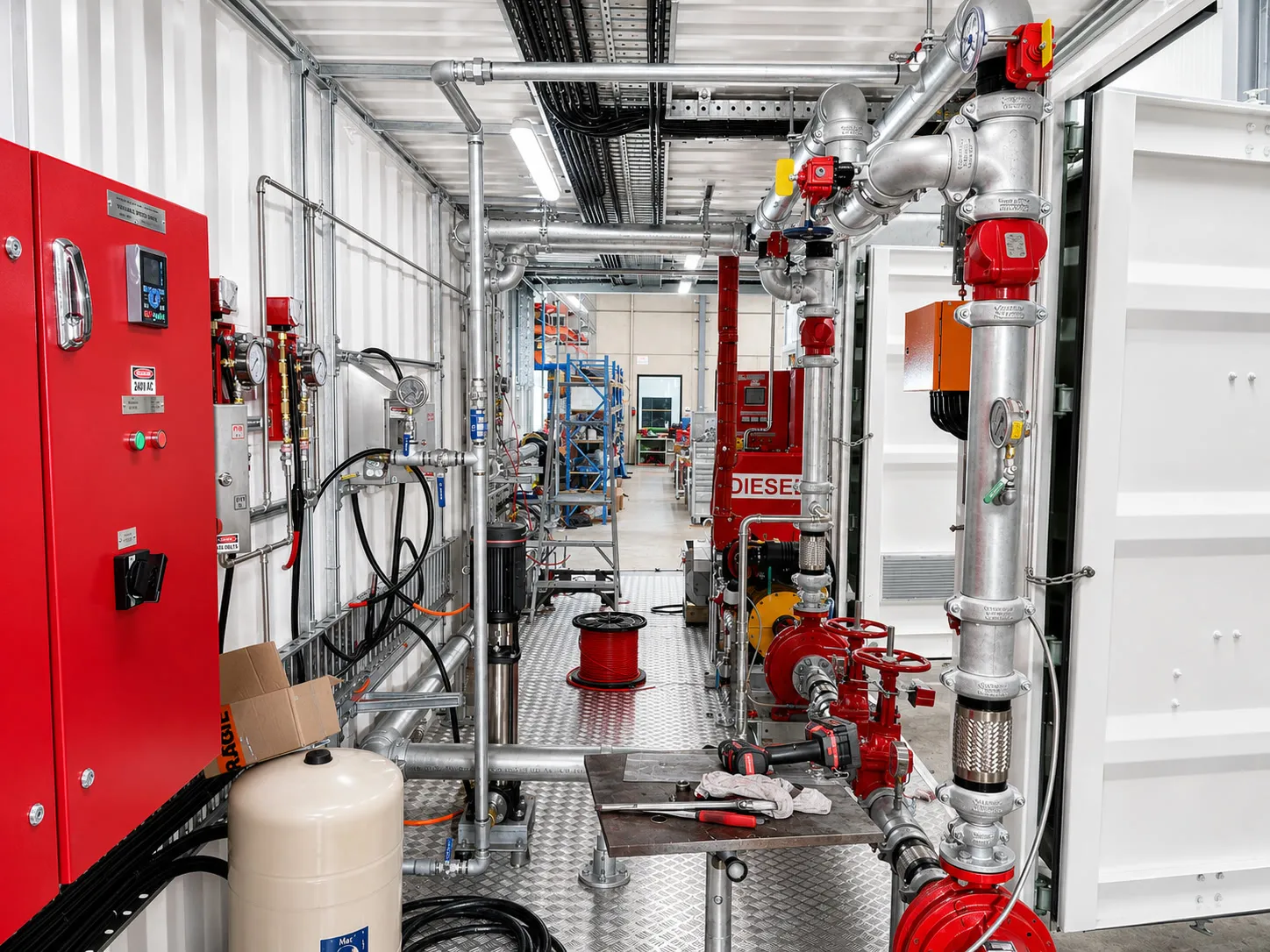
Inside a containerised pump enclosure with fire pump controllers, valves and pipework
Mining · Quarrying · Civil construction · Water utilities

Mining and industrial pumps

No two mine sites are exactly alike, and neither are their pumping requirements. From managing groundwater and keeping operations dewatered to supporting fire protection, dust suppression and demanding transfer applications, getting the right solution starts with understanding what the site needs.

What We Build

Our mining and industrial pump range

At Aqua Energy Group, we combine engineering expertise and practical experience to deliver mining and industrial pumping systems built for on-the-ground conditions. Our heavy-duty pump solutions span borehole and dewatering pumps, fire pumps, high-pressure boosters, pontoon pump stations, and tunnel deluge and dust suppression systems. Whether you need a single pump or a complete engineered pump solution, we work with you to bring the right equipment, design and support together. With mine-spec builds, relevant Australian Standards, and after-sales support, we help avoid unexpected breakdowns and keep your operation moving when performance matters most.

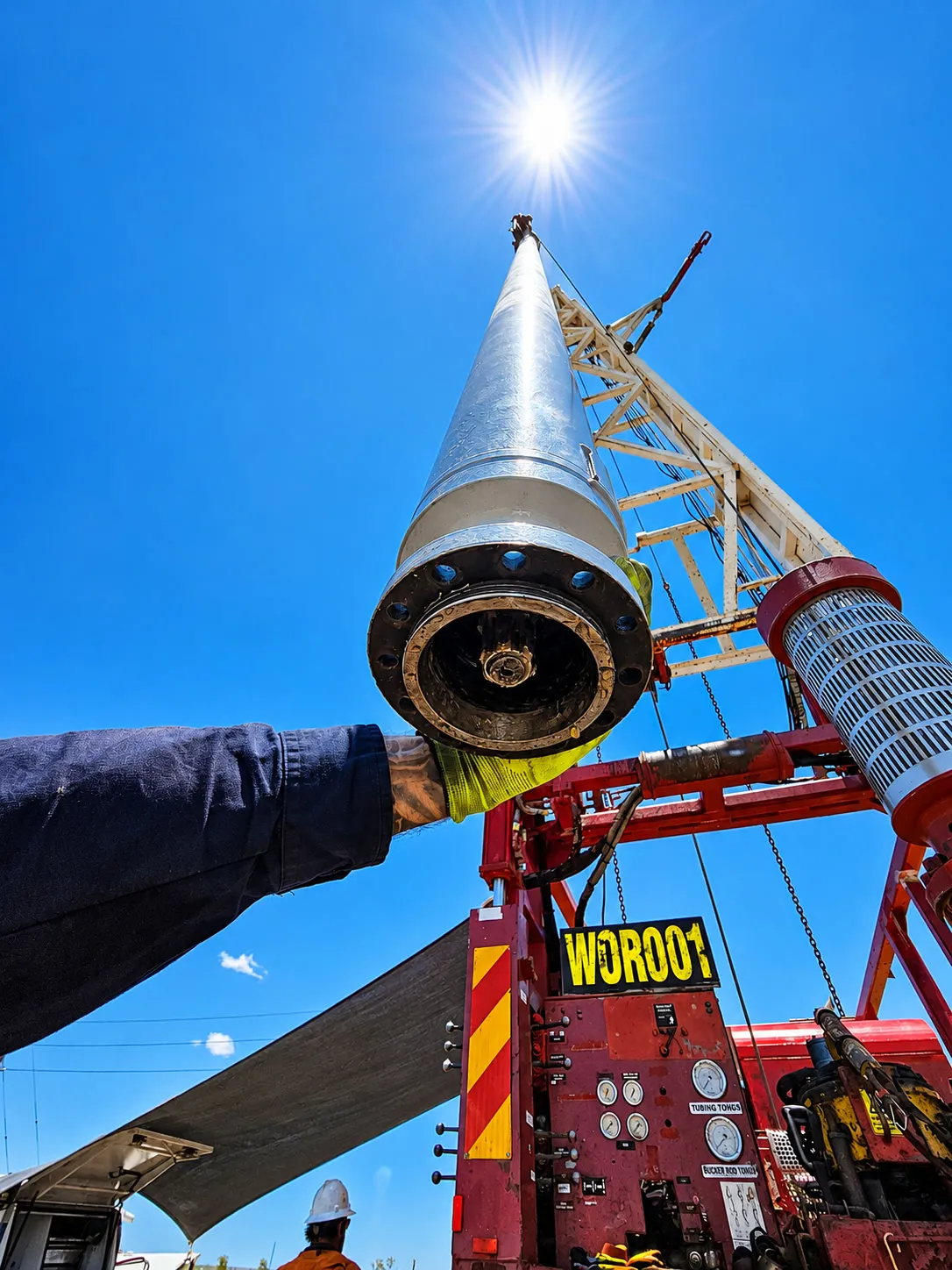
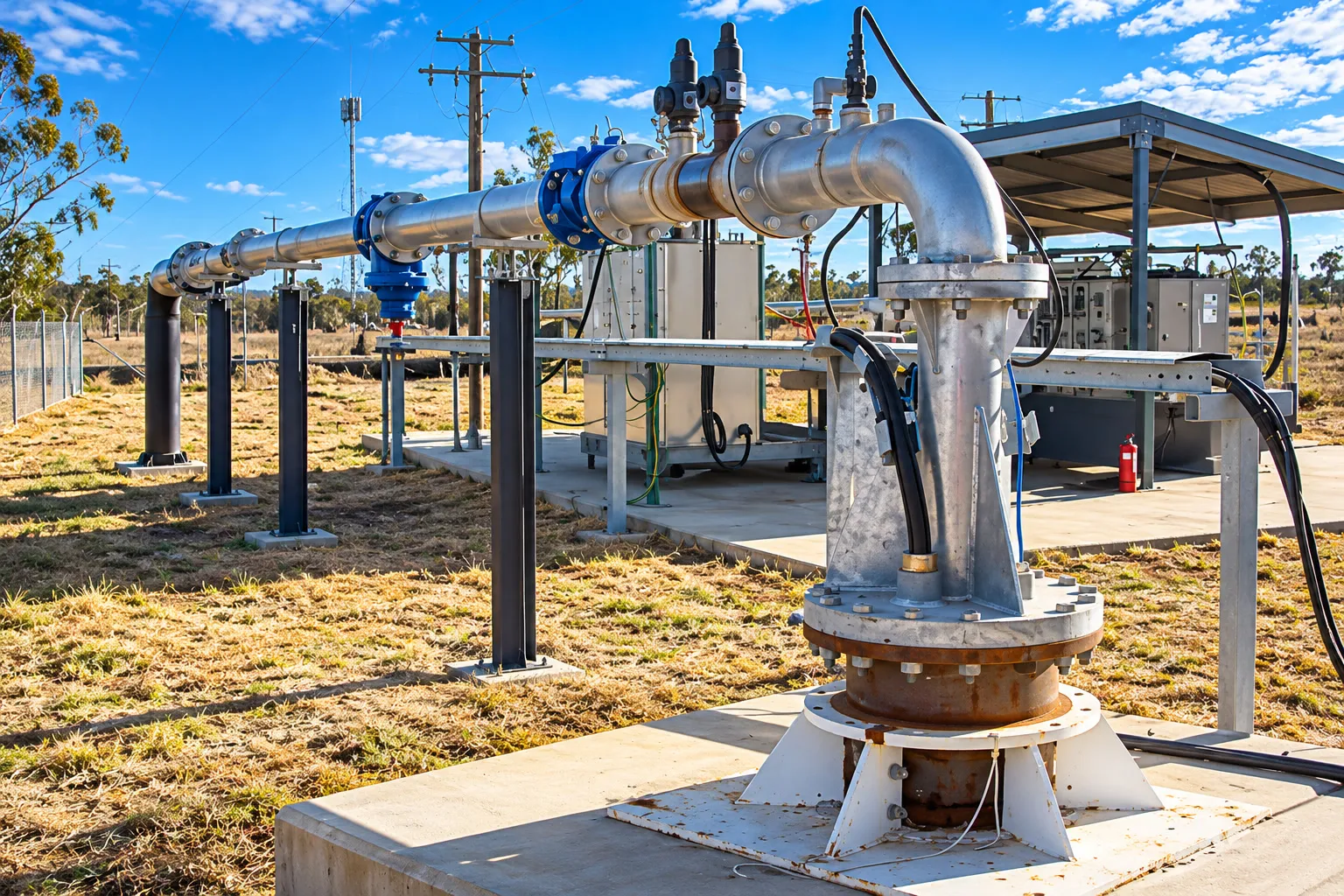
Stainless steel borehole headworks and discharge pipework at a pump station

Borehole and submersible pumps

Getting water where it needs to go starts with understanding where it's coming from. Borehole and submersible pumps help access groundwater, transfer water from submerged environments and support water supply across mining, industrial and infrastructure projects. The right pump depends on more than flow rate - depth, water conditions and how the system will operate all matter.

Borehole and submersible pumps
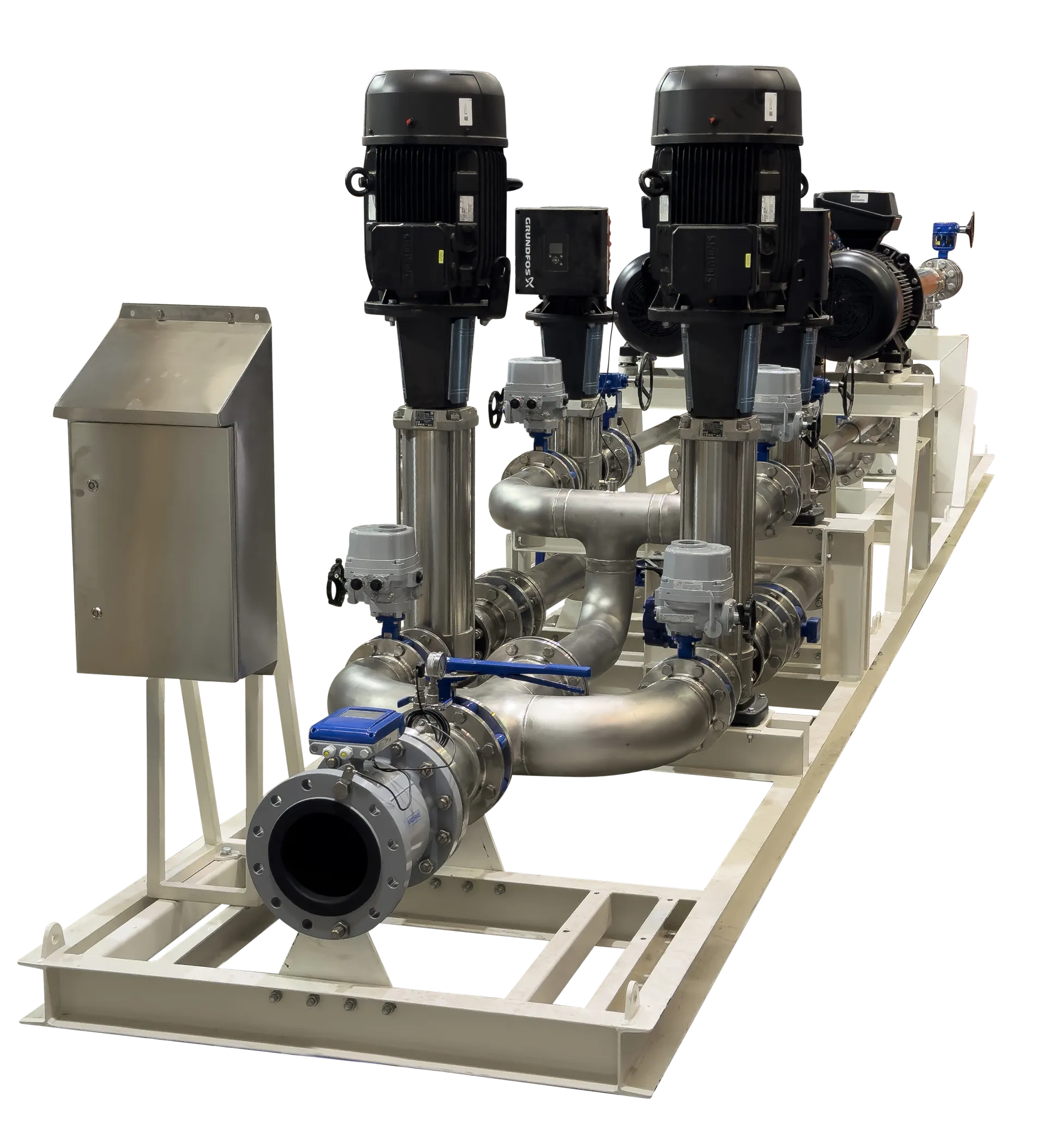
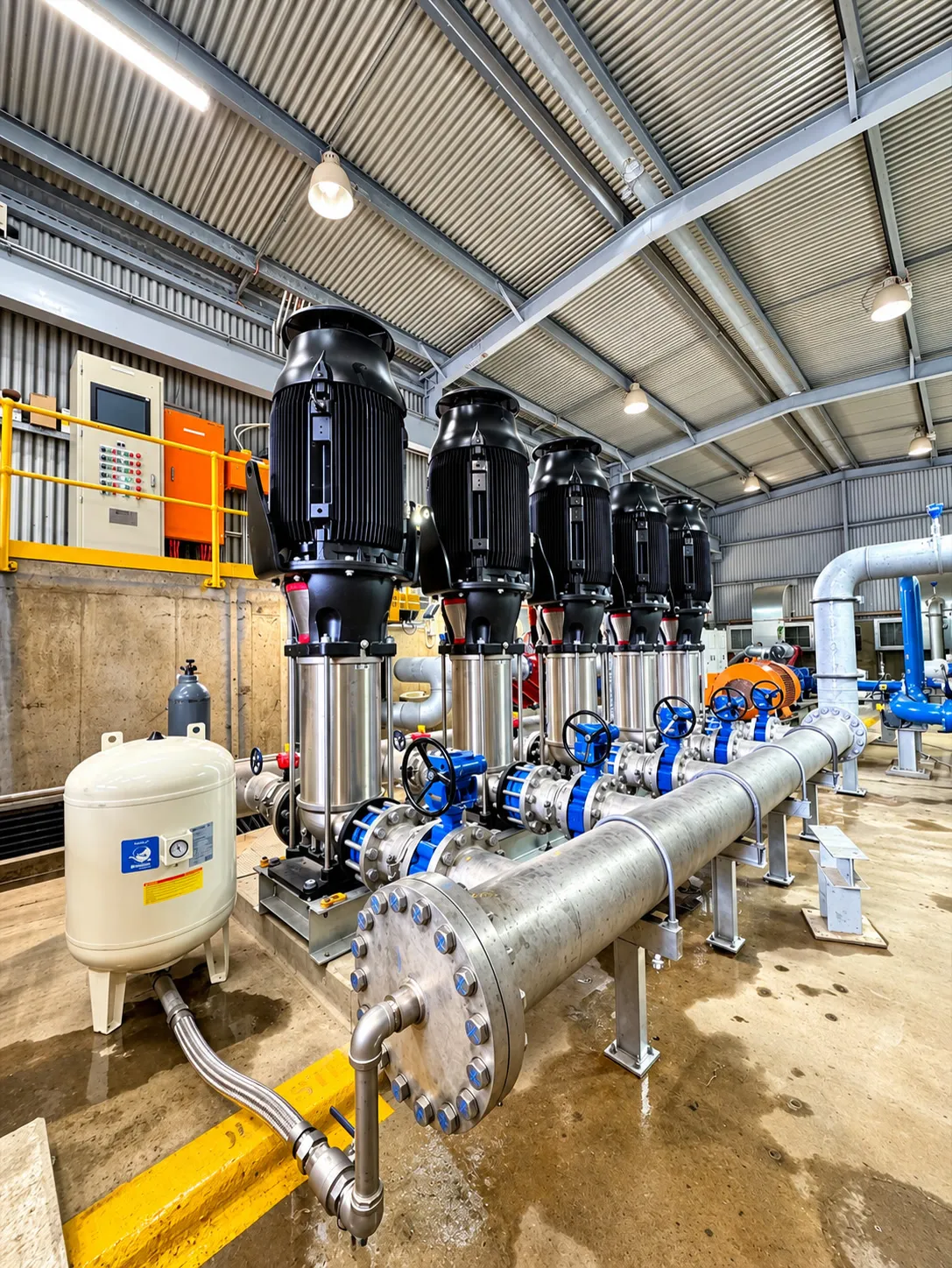
High-pressure booster pump skid with control panel

High-pressure booster pumps

Sometimes, getting water from A to B isn't the hard part - it's delivering it at the pressure the application demands. High-pressure booster pumps help maintain the flow and pressure needed across mining, industrial and water distribution systems, including applications with long pipe runs or significant elevation changes. Selecting the right arrangement means looking at the full picture: pressure requirements, flow rates, existing pipework and how the system will operate as a whole.

High-pressure booster pumps
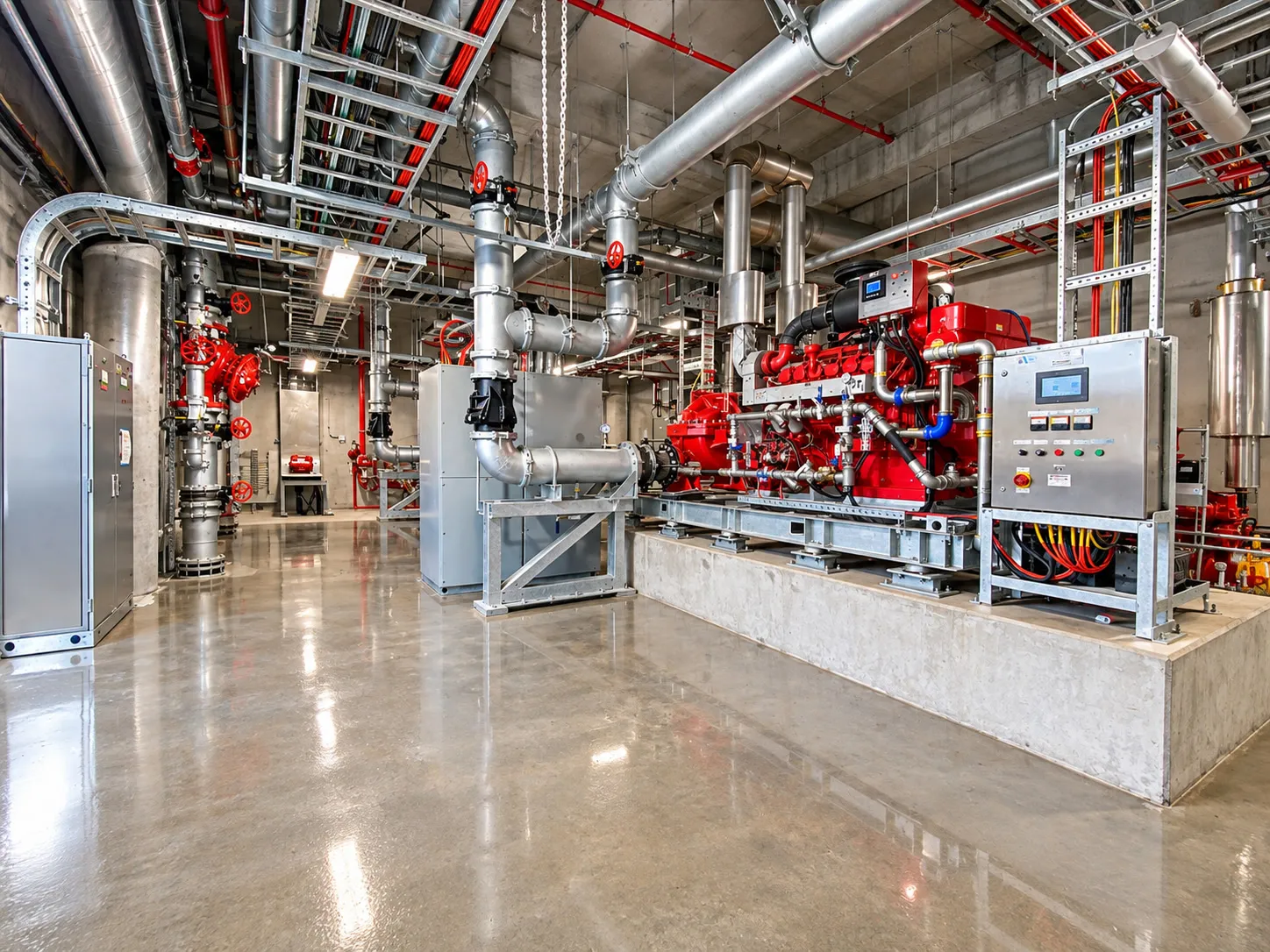
Deluge pump room with red fire pump sets, valves and control panels

Tunnel and industrial deluge systems

In tunnels and other demanding industrial environments, fire protection must be designed around the site's risks and requirements. Deluge systems deliver water across designated areas when activated, supporting fire protection strategies for critical infrastructure and equipment. Pump selection, water supply, system layout, and required flow all affect performance.

Tunnel and industrial deluge systems
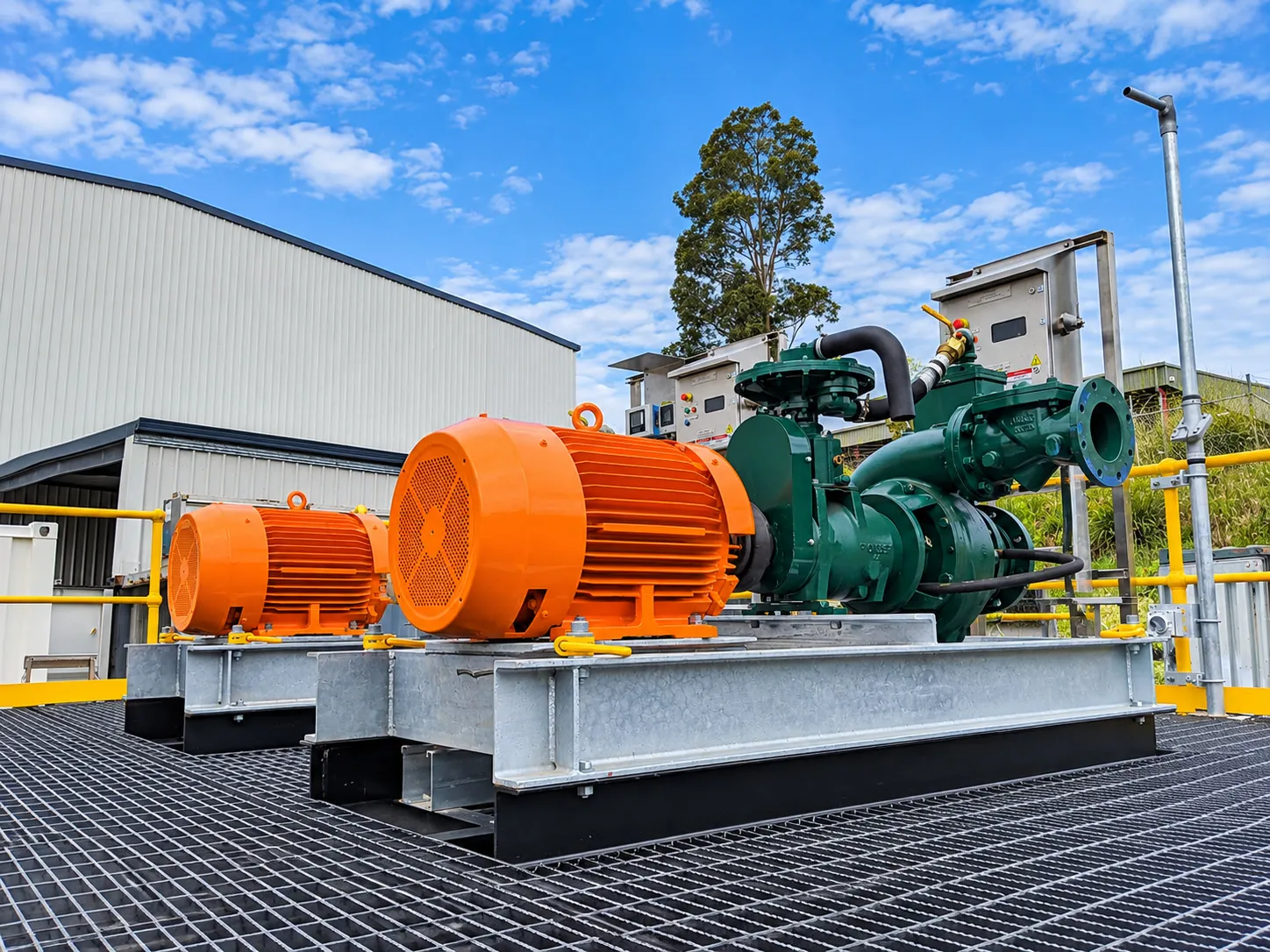
Dewatering pump sets with electric motors on a galvanised skid

Mine dewatering pumps

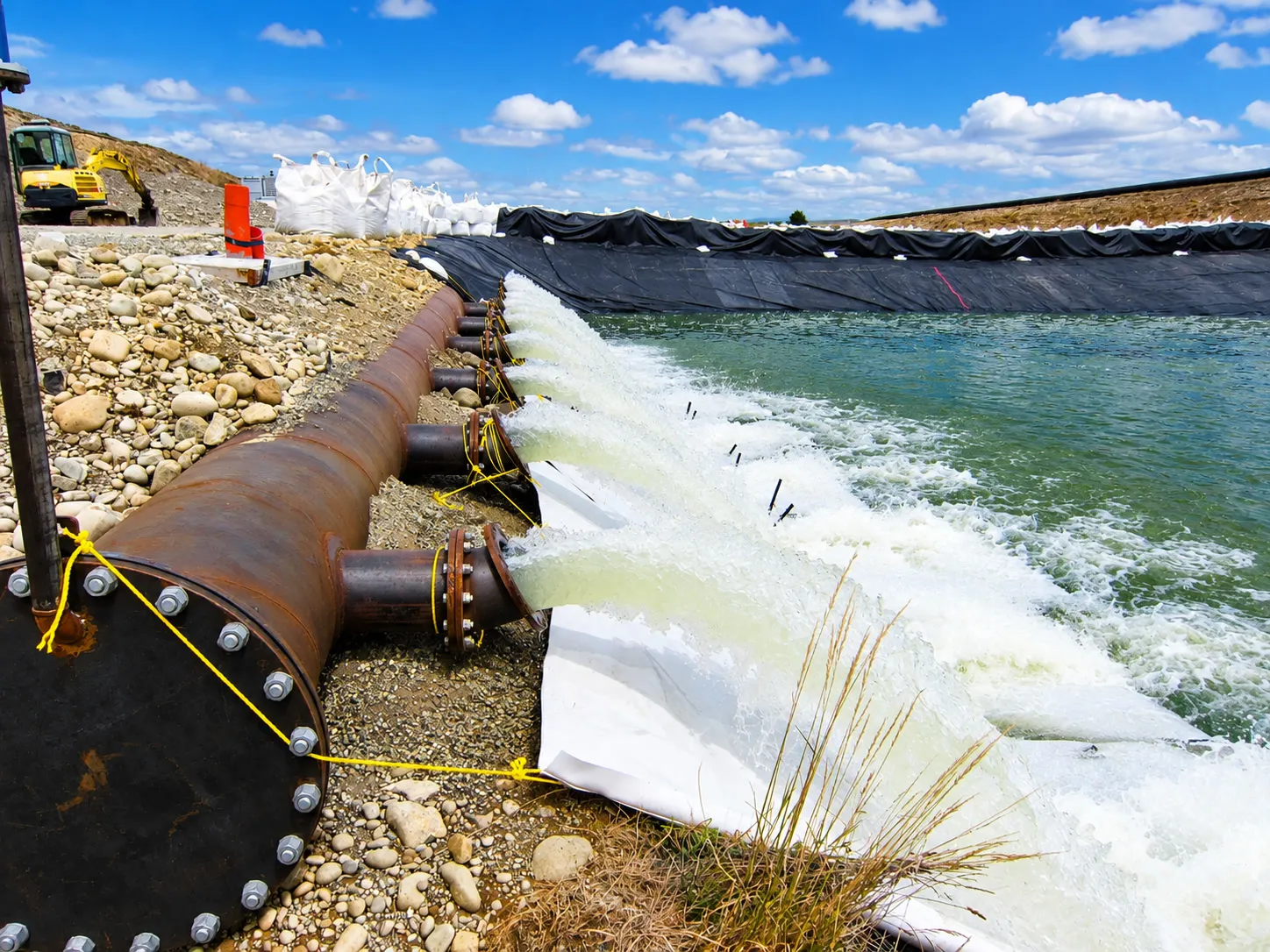
Water can accumulate quickly across a mine, whether from groundwater, rainfall or changing site conditions. Without effective dewatering, it can affect access, working areas and the safe progress of operations. Mine dewatering pumps help move accumulated water from pits, sumps and other collection points to where it can be managed or discharged appropriately. The right setup depends on water volume, pumping distance, elevation, and site conditions, with equipment selected to meet the job's demands.

Mine dewatering pumps
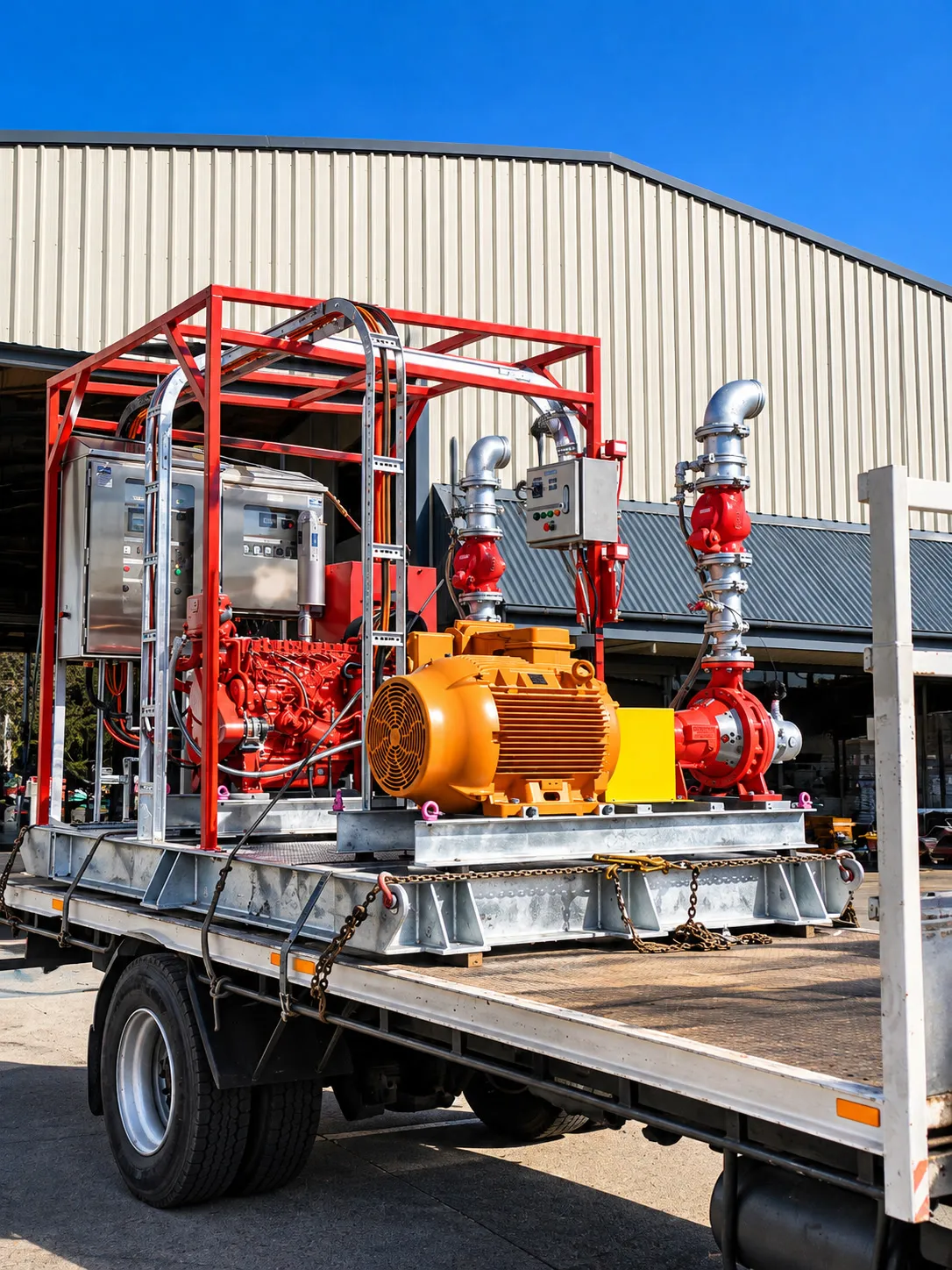
Packaged fire pump skid with diesel and electric pump sets loaded on a truck

Fire pump systems

When a fire protection system is called upon, the water supply needs to be ready to perform. Fire pump systems deliver the flow and pressure required by the site's fire protection infrastructure, supporting applications across industrial facilities, resources, and other critical assets. Each installation must account for applicable fire protection requirements, water supply, and system design.

Fire pump systems
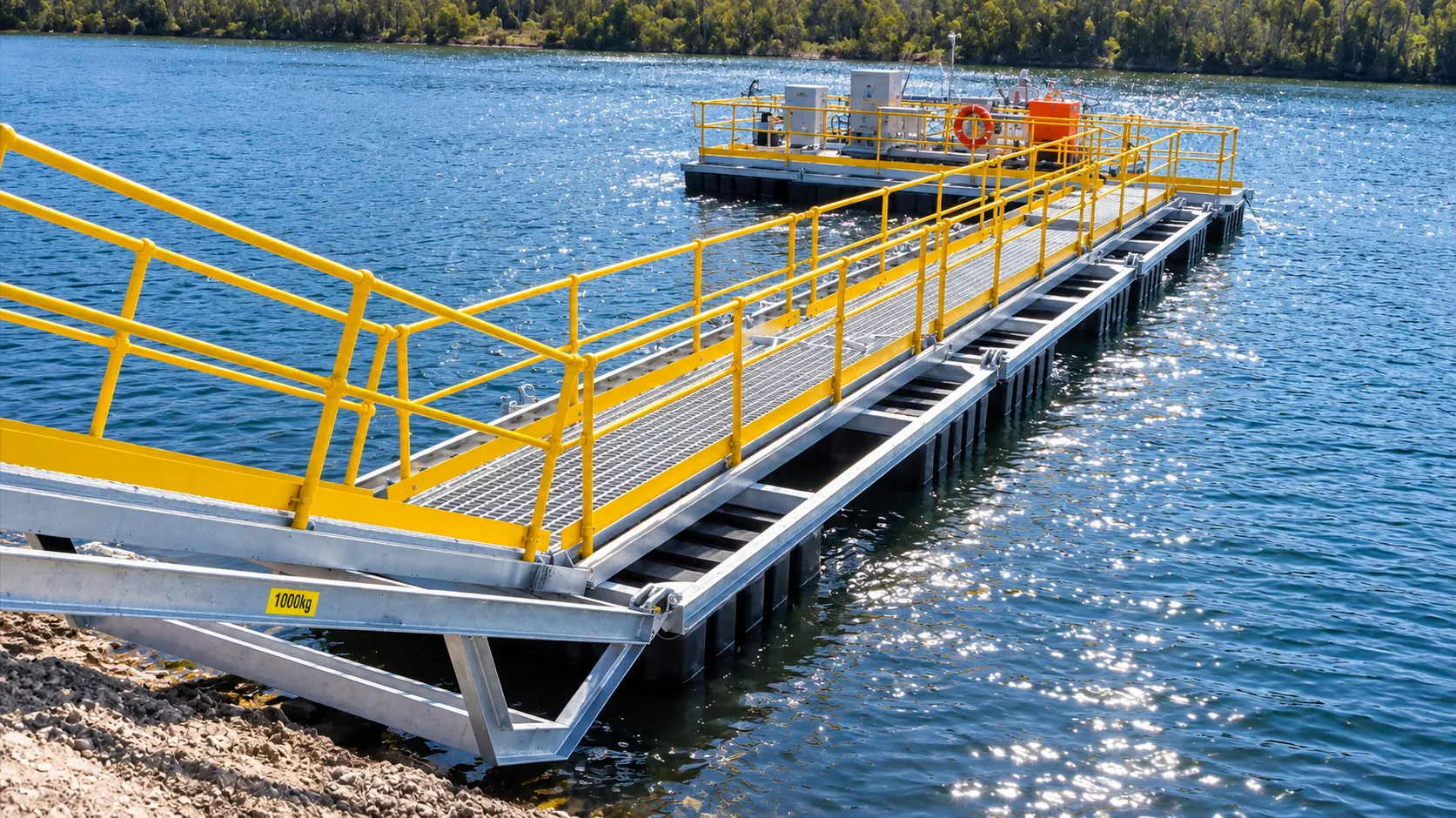
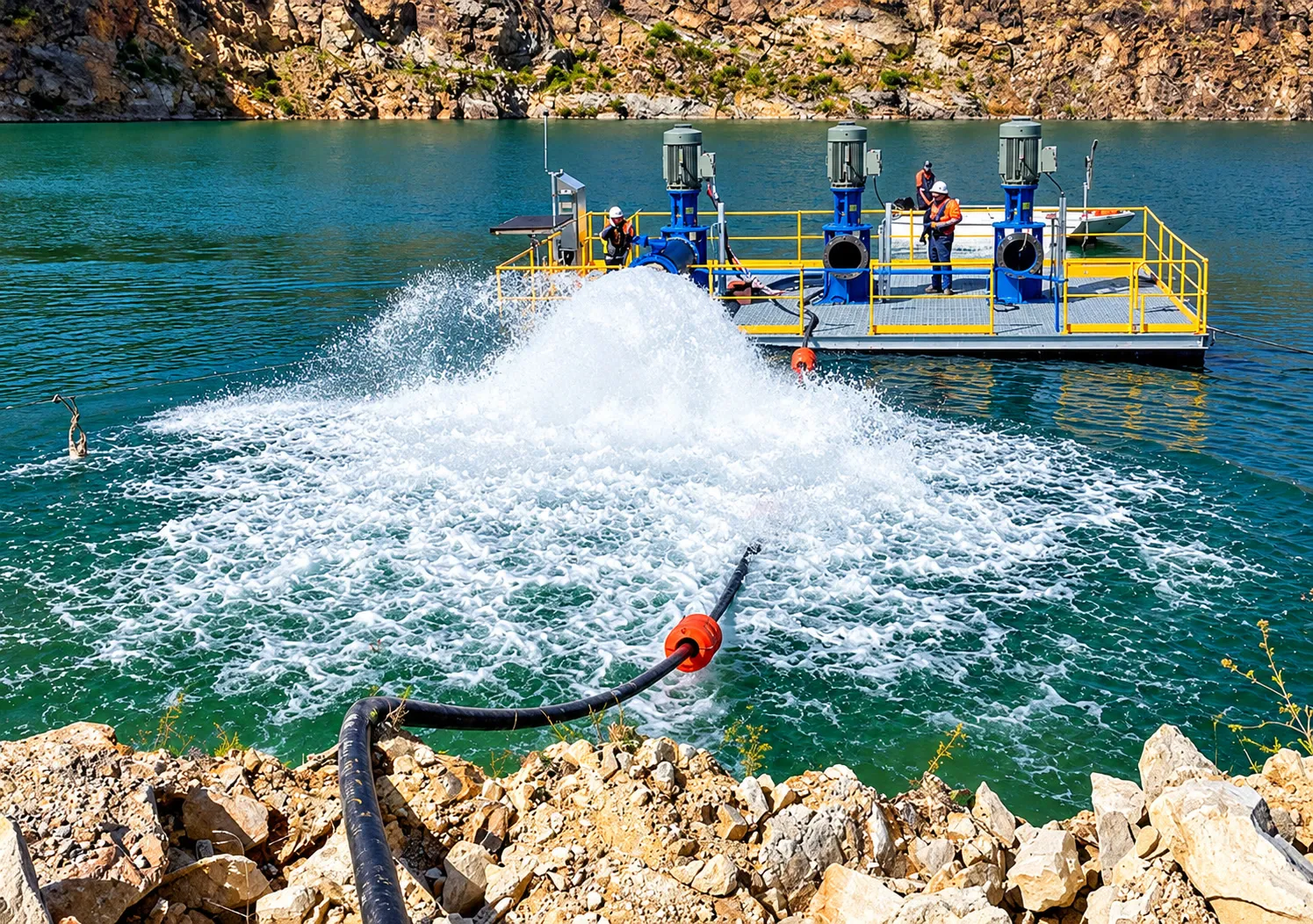
Floating pontoon with a yellow-railed access walkway on a water storage

Pontoon pump stations

As water levels change, conditions shift, and pumping requirements evolve as a mine develops, pontoon pump stations offer a flexible solution. Pontoon pump stations provide a practical way to draw water from dams, mine pits, and other bodies of water without a fixed installation. By mounting pumping equipment on a floating platform, the system can adapt to changing water levels and site conditions. The right configuration depends on the water source, required flow, pump selection, and how the station needs to perform throughout the operation.

Pontoon pump stations
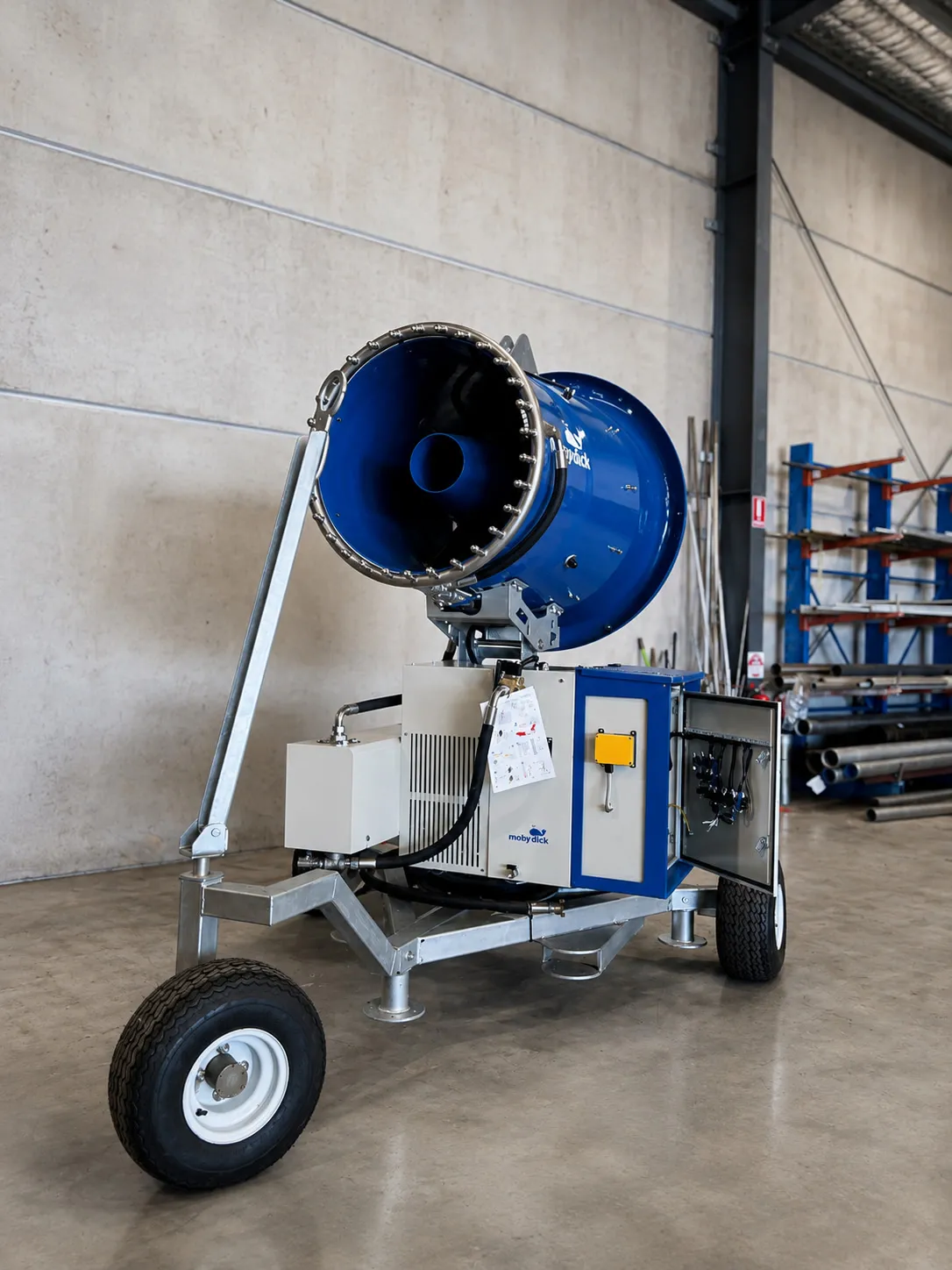
Mobile dust suppression cannon on a wheeled frame

Dust suppression cannons

Dust is more than a nuisance on a mine or industrial site. It can reduce visibility, affect working conditions, and harm the surrounding environment, especially where vehicle movements, material handling, or exposed surfaces generate airborne particles. Dust suppression cannons disperse water as fine droplets to help control airborne dust across suitable applications. Their effectiveness depends on factors such as the area being treated, site conditions, water supply and required coverage. Matching the equipment to the application helps make dust control a practical part of day-to-day site operations.

Dust suppression cannons
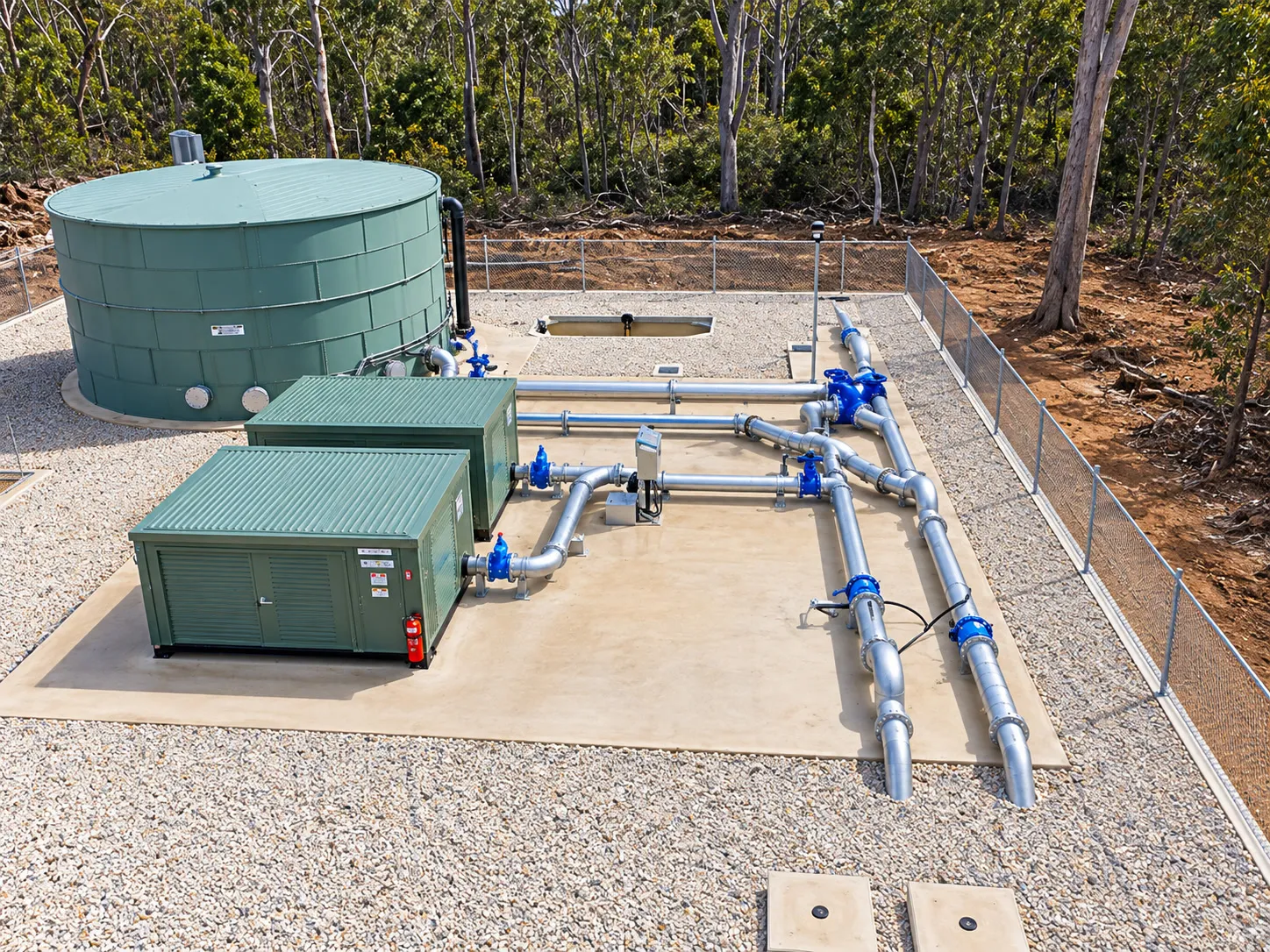
Water tank, pump kiosks and pipework on a gravel pad at a mine water management system

Complete water management systems

Managing water across a site often involves more than a single pump. Water may need to be collected, transferred, treated, reused or discharged, with each stage affecting the next. Bringing these requirements together can help improve how water moves through the operation and make better use of an important resource.

Water management systems
Selection

How we specify a pump to your duty

Choosing the right mining and industrial pump starts with understanding what the system needs to do. Flow rate and pressure are important, but they're only part of the picture. The liquid being pumped, the distance it must travel, elevation changes, and site conditions all affect pump selection.

When specifying a pump for a mining application, it helps to establish a few key details:

  • Required flow rate: How much water or fluid needs to be moved, and over what period? This is usually expressed in litres per second (L/s) or cubic metres per hour (m³/h).
  • Total dynamic head (TDH): How much energy the pump needs to add to move the liquid through the system, accounting for elevation, pressure requirements and friction losses through pipes, valves and fittings.
  • Fluid characteristics: Is the pump handling clean water, wastewater, slurry or another fluid? Solids content, particle size, temperature, and chemical properties can affect pump and material selection.
  • Site and operating conditions: Consider the available water supply, suction conditions, power source, installation layout and whether the pump will operate continuously or intermittently.
  • System requirements: Also consider existing pipework, discharge arrangements, control systems, and any relevant project specifications.

Not every project starts with all the answers. At Aqua Energy Group, we work alongside our customers to understand their requirements, and where needed, site visits help us get a clearer picture of the operating environment and the challenges involved. This allows us to consider the full application when selecting a pumping solution, rather than relying on flow rate or pressure alone.

Published duty envelopes

Different pumping applications require different combinations of flow, pressure, and operating conditions. A pump suited to moving large volumes of water over a relatively short distance may not be the right choice where high pressure, significant elevation changes or variable water levels are involved.

The table below is a starting point for comparing pump families and understanding where each one fits. From there, the details matter. If you're unsure what your application requires, Aqua Energy Group can work through the duty requirements with you, taking into account your site's conditions and what the system needs to achieve.

Pump family comparison
FamilyBrandsOperating principleSuitsAvoid
Submersible / boreXylem, GrundfosRotodynamic, multistage, motor submerged (borehole)Groundwater supply, wellfields, deep sumps, sewerage wet wells, no suction lift availableDuties needing frequent surface access to the wet end
Multistage boosterXylem, GrundfosRotodynamic, stages in seriesHigh head at moderate flow — transfer, reticulation, process pressure, prep plants and CHPPsSolids-laden or abrasive water
Split-caseFlowserveRotodynamic, double-suction, horizontalHigh flow at moderate head, continuous duty, fire and deluge serviceTight plant rooms, or any duty with poor suction conditions
Self-priming surfaceTrufloRotodynamic with priming chamber, diesel or electric driveDewatering, tailings and dams, relocatable duty, intermittent and unattended startsHigh static lift, or suction lift beyond the priming limit
Slurry / heavy dutyPentairRotodynamic, lined or hard-metal wet endAbrasive solids, tailings, reagent and process transferClean-water duty where efficiency matters more than wear life
Positive displacementGrundfosFixed volume per revolutionViscous, shear-sensitive, dosing and high-solids duties at low flowHigh flow duties, and anything that may run against a closed valve
CentrifugalPentairConverts rotational kinetic energy into hydrodynamic energyFire systems, wash systems and general useHeavy slurries and high-viscosity fluids
Engineering

Engineering, materials and support

NPSH, cavitation and why a pump fails early

A pump can look right on paper and still struggle once it's installed. Sometimes, the issue isn't the pump itself but the conditions it operates in—particularly at the inlet. One common cause is cavitation, which occurs when pressure inside the pump drops enough for vapour bubbles to form and then collapse as pressure increases. Over time, this can cause noise, vibration, damage to pump components and reduced performance.

This is where Net Positive Suction Head (NPSH) matters. Put simply, it helps determine whether a pump has enough inlet pressure to meet its requirements and reduces the risk of unnecessary wear or premature failure.

That's why Aqua Energy Group looks beyond flow rate and pressure when assessing a pump duty. Suction conditions, pipework, water levels, and the installation layout all matter when selecting a pump that performs reliably over time.

Materials for abrasive and corrosive service

Not every pumping environment puts the same demands on equipment. In mining and industrial pump solutions, the fluid being pumped and its operating conditions can affect how quickly components wear or corrode; operating conditions are a key part of getting the solution right.

At Aqua Energy Group, we can modify pump materials to suit the application and environment. Depending on the requirements, this may include using 316 stainless steel or super duplex stainless steel where corrosion resistance is critical. For leachate applications, we can also consider resistant coatings to protect equipment against the conditions it will encounter, depending on the fluid, its properties, and the operating environment. We consider these factors when developing a pumping solution, selecting materials to meet the job's demands.

Design, manufacture, testing and commissioning

Getting a pumping solution right starts with understanding what you need to achieve. Every project has its own requirements, and we work with you early to understand them so we can shape the design, select equipment, and build around your application.

With our in-house engineering and manufacturing capabilities, we can manage the full design and construct process, from initial design through to manufacture and testing. We work alongside you throughout the process, keeping the technical requirements and intended application at the centre of our decisions.

Before dispatch, we test equipment to the project's requirements, and we arrange commissioning to suit the installation. By bringing design and manufacturing together, we can work through the details with you and develop a pumping solution that fits your project's needs.

Spare parts, service and lead times

Some projects need the parts you need to get a pump back up and running. Other times, you're dealing with an unfamiliar fault or trying to work out when new equipment will arrive. Whatever the situation, we know clear answers make a difference.

We source spare parts and technical expertise from market-leading brands, including Grundfos, Southern Cross Pentair, Xylem, and more. If you're unsure which part you need, sharing the pump's brand and model helps us identify the most suitable replacement. Where maintenance or repairs are required, we can assess the issue and coordinate with our service representatives as needed.

Lead times vary depending on the equipment, availability and project requirements. We work with you to set realistic timeframes and do what we can to expedite supply without sacrificing a reliable solution for your application.

Sectors

Industries we serve

From the demands of mining and quarrying to the infrastructure that keeps communities and industries moving, our work spans a diverse range of sectors. Each brings its own priorities, applications and challenges, and we're proud to support the people and projects behind them. We support customers across mining, quarrying, civil construction, water utilities and industrial processing.

Frequently asked questions

What types of mining and industrial pumps are there?

Mining and industrial applications use a range of pumps, depending on the fluid, flow rate, pressure and site conditions. Common types include borehole and submersible pumps, mine dewatering pumps, high-pressure booster pumps, pontoon pump stations and fire pumps. The best fit depends on what you're pumping and what the system needs to do.

What is the difference between a commercial pump and an industrial pump?

It largely depends on the job the pump needs to do. Commercial pumps commonly support building systems, such as water supply and circulation, while industrial pumps are often selected for more demanding operating conditions, specialised fluids or continuous processes. If you're unsure which category your application falls into, start with the operating requirements rather than the label alone.

How do I work out the duty point?

Start with two key figures: the flow rate you need and the total dynamic head (TDH) the pump must overcome. You'll also need to account for pipework, elevation changes, pressure requirements and the fluid being pumped. These details help establish the duty point and narrow down the pumps suited to your application. If you're unsure where to start, we can help you work through the requirements.

What lead time should I expect on a packaged pump station?

It depends on the station's design, equipment availability, and the project scope. A straightforward pump order may take around a week, while other orders can take a couple of months or longer. Packaged pump stations need to be assessed against their specific requirements, so we'll discuss a realistic timeframe with you once we understand the scope.

What materials suit abrasive or corrosive service?

Both the fluid and operating environment matter. For corrosive applications, both may include 316 stainless steel or super duplex stainless steel, depending on the conditions. When leachate or other aggressive fluids are involved, consider suitable protective coatings. Abrasive fluids introduce different wear considerations; consider the fluid's properties and the equipment involved.

Talk To Us

Send us your duty point.

Design, supply, install and commissioning delivered as one turnkey package, built to Australian and International Standards. Send us the flow, the head and the fluid, and we'll come back with a selection.

Request a quote

Your details stay with AEG and are never shared.

  1. Tell us about the job

    The site, the application and anything you already have, such as drawings, a protocol or a duty point.

  2. Our engineering team responds

    A member of our engineering team will respond within 24 hours.

  3. Proposal and concept

    A free proposal and concept design, with no obligation.

Prefer to talk? 1800 092 210