
Borehole & submersible pumps
Submersible borehole pumps for mine dewatering, process water, and groundwater supply, with capacities up to 400 litres per second and heads of 500 metres and above. We select, supply, install, commission, and maintain each pump as a turnkey package for mine sites and remote locations across Australia.
Borehole pumps for underground mining, water transfer and process water
Reliable borehole pumps keep a mine’s water supply, dewatering and process water running. Unlike bore pumps sold for garden irrigation and small farms, mining borehole pumps must deliver high flow from deep aquifers, often in remote areas, around the clock.
We supply high-performance submersible borehole pumps for underground mining, open-cut operations, and industrial sites, from mine dewatering to process water management, irrigation support, and water transfer. Beyond mining, the same submersible pumps serve oil and gas extraction, petrochemical applications, agricultural irrigation and industrial processing, pumping clean water and non-corrosive liquids as well as harder mine water.
Our team brings decades of experience selecting, installing and maintaining borehole pumps built for harsh environments. We partner with leading submersible borehole pump manufacturers and bring an in-depth understanding of local geology, water conditions, and regulatory requirements. The result is a pump selected for the bore, installed to Australian Standards, and maintained to minimise downtime.
How a submersible borehole pump works
Borehole pumps, also called bore pumps, bore water pumps, or well pumps, draw water from sources beneath the surface. They extract water or other fluids from deep underground sources such as aquifers, giving a site a liquid supply that does not depend on surface streams or storages.
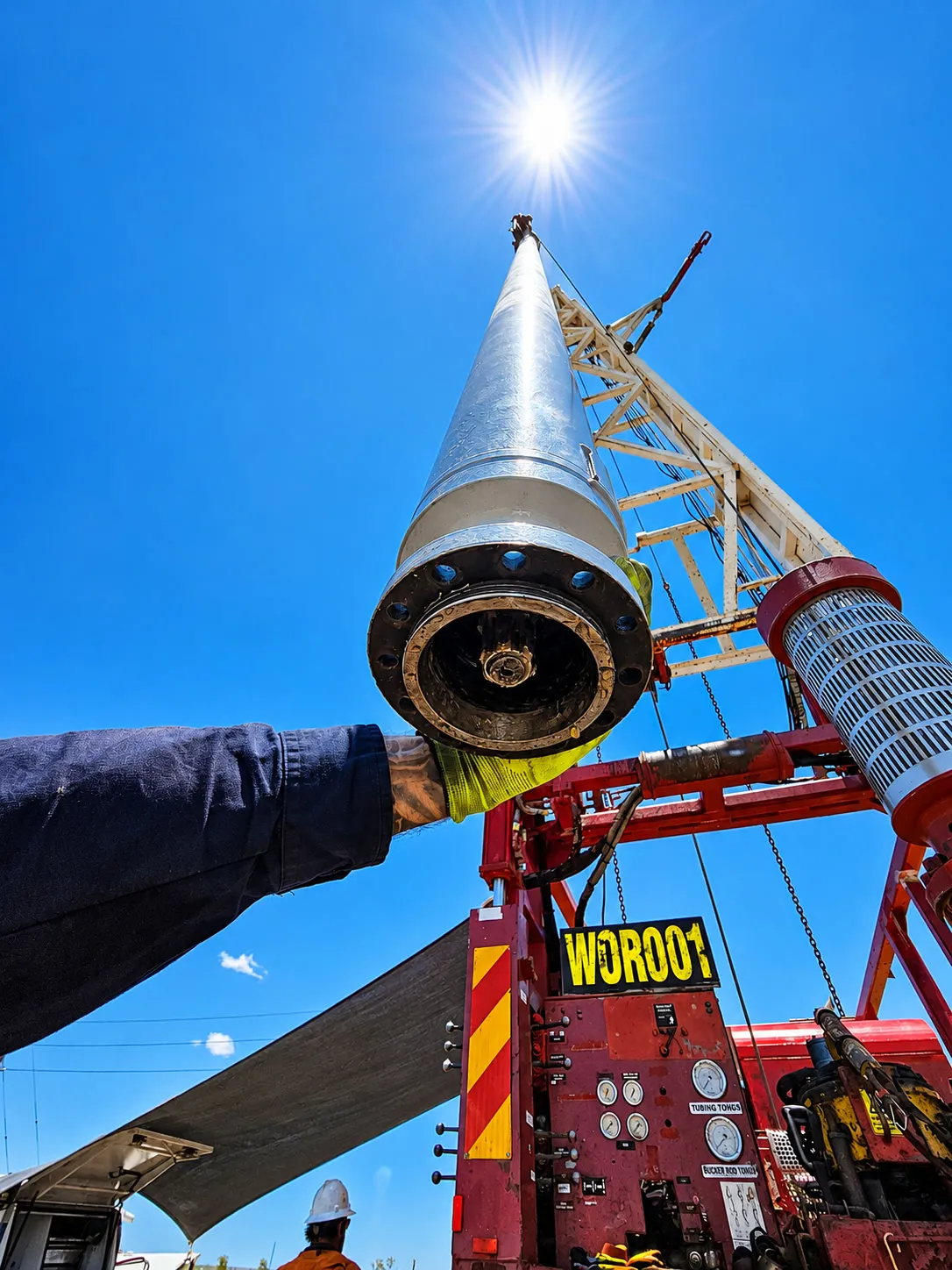
A submersible borehole pump is installed vertically inside the drilled borehole, with the pump and motor fully submerged below the dynamic water level. Water enters through the intake screen at the base of the pump, and a stack of impellers pushes it up the column pipe to the surface. A check valve prevents water from flowing back down the column when the pump stops.
Because the pump sits below the water, it never has to lift water on its suction side. That removes the priming and cavitation problems of a surface pump and lets multistage submersible pumps generate the high discharge pressures needed to move water from deep bores to surface tanks, pump stations, or water treatment plants at the pressure the system needs.
Selecting borehole pumps for reliable performance
The right pump starts with the bore and the duty. We assess:
Flow rate and total dynamic head
How much water is needed and the head the pump must overcome from the pumping water level to the discharge.
Bore depth and diameter
The depth to set the pump and the casing size it must fit into.
Water quality
Solid particles, sand and corrosive water wear bore pumps quickly, so we specify corrosion-resistant stainless steel for abrasive applications.
Power source
Electric, diesel or solar drive, depending on what is available on site.
Area classification
Ex d installations are available for hazardous areas.
Correct selection delivers high hydraulic efficiency, reduced maintenance, and longer life, lowering operating costs and supporting reliable performance.
Where the water sits in an open storage or tailings dam rather than a bore, a floating intake is usually the better answer: see our pontoon pump stations. For pressure boosting after the bore, see our high-pressure booster pumps; for in-pit and underground dewatering, see our mine dewatering pumps.
Professional installation of borehole pumps
Professional installation and regular maintenance give borehole pumps a long, trouble-free operation and help reliably control water levels. Our installation process covers:
Site preparation
Including borehole cleaning, alignment checks and cable routing.
Pump installation
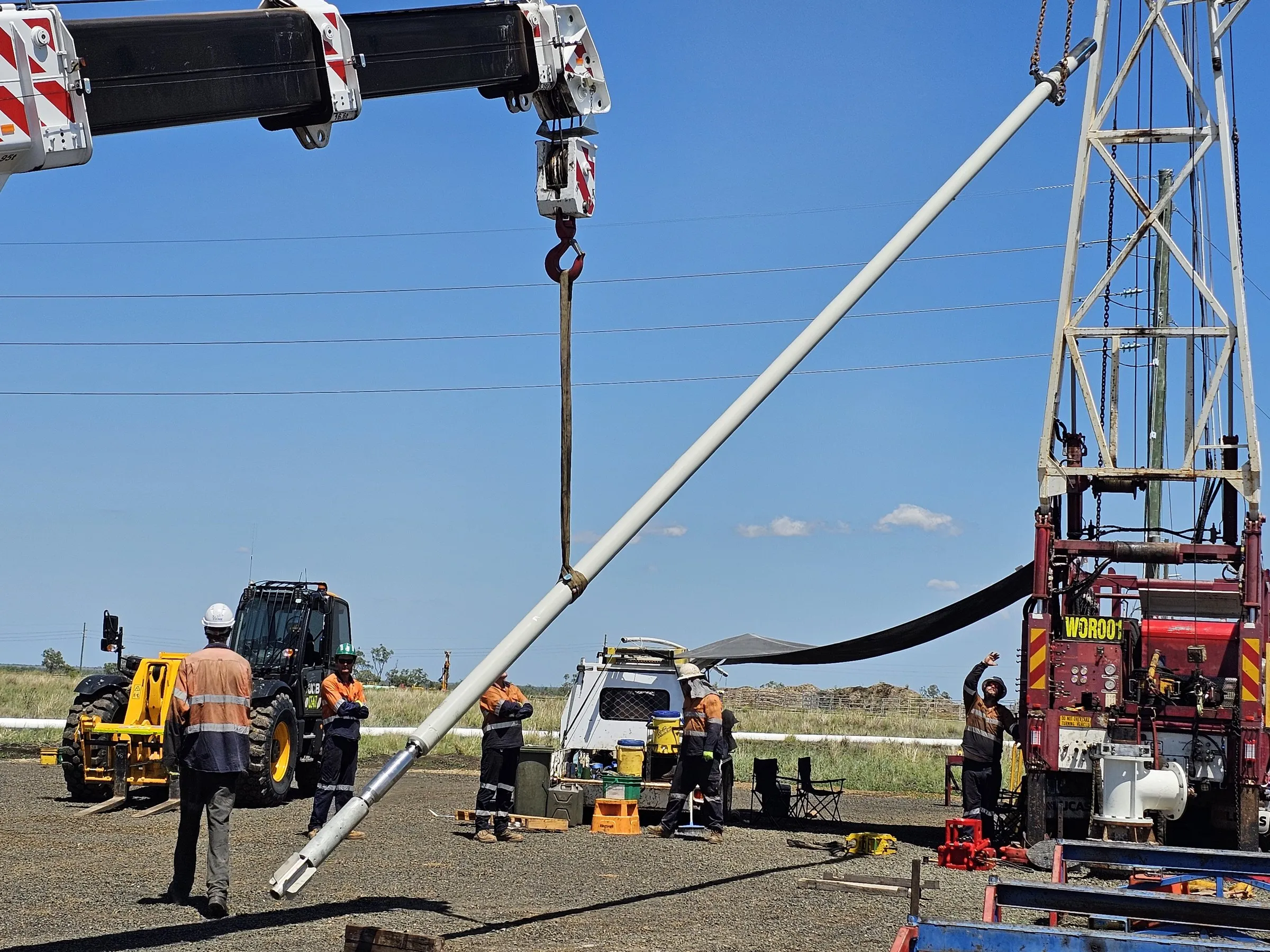
Lowering the assembly with appropriate lifting equipment and securing cables and pipes.
Electrical connection
To the site supply, with control panels and protection devices.
Testing and commissioning
Including flow rate and pressure testing, system calibration and safety checks.
Electrical protection matters as much as the pump. A motor that runs dry, overheats, or experiences a supply fault is the most common route to pump failure, so every package includes protection devices and monitoring.
Maintenance schedules and procedures
An uninspected borehole pump can fail without warning, and on a dewatering duty, it can flood workings. Regular checks keep well pumps running smoothly. We recommend:
Routine inspections
Monthly checks of vibration, noise and electrical performance.
Preventive maintenance
Annual removal and inspection of the pump, replacing seals and bearings as needed.
Troubleshooting
Diagnosing reduced flow, overheating and electrical faults in the motor.
Genuine parts
Only manufacturer-approved components, to maintain warranty and performance.
Features and benefits
Features
- Electric, diesel or solar drive
- Pump capacity up to 400 litres per second
- Head pressures of 500 metres and above
- Stainless steel construction for abrasive applications
- Ex d installations available
- Robust design for remote locations
- Turnkey package including cabling, controls and monitoring
Benefits
- Fully automated solution
- Low maintenance installation
- Reliable dewatering and water supply
- Cost-effective to run
- Reduced operational downtime
Frequently asked questions
What are borehole pumps used for in mining?
In mining, borehole pumps are used for dewatering, for dust suppression water and for process water supply. They lower groundwater around pits and underground workings to control water, and supply bore water to the site's water management system and pump stations. Fine solid particles in mine water are one reason we specify stainless steel.
What is the difference between borehole pumps and submersible pumps?
Borehole pumps are a type of submersible pump designed to fit inside a narrow drilled bore. Submersible pumps more broadly include dewatering and sump pumps that sit in open water, while a submersible borehole pump is long and slim so it can be set deep in the bore casing.
How are submersible borehole pumps installed?
We clean and check the borehole for alignment, lower the pump assembly on the column pipe with lifting equipment, secure the cables and pipes, and wire the pump to the site supply with control panels and protection devices. The system is then flow- and pressure-tested, calibrated, and safety-checked at commissioning.
How often does a borehole pump need maintenance?
We recommend monthly checks of vibration, noise and electrical performance, and annual removal and inspection of the pump, with seals and bearings replaced as needed.
Can borehole pumps run in hazardous areas or off-grid?
Yes. Ex d installations are available for hazardous areas, and pumps can be electric, diesel, or solar-driven for remote sites without reliable grid power.
Talk to us about borehole and submersible pumps.
Design, supply, install and commissioning delivered as one turnkey package, built to Australian and International Standards. Send us the duty, the site and the timeline, and we'll come back with a proposal.
- Tell us about the job
The site, the application and anything you already have, such as drawings, a protocol or a duty point.
- Our engineering team responds
A member of our engineering team will respond within 24 hours.
- Proposal and concept
A free proposal and concept design, with no obligation.