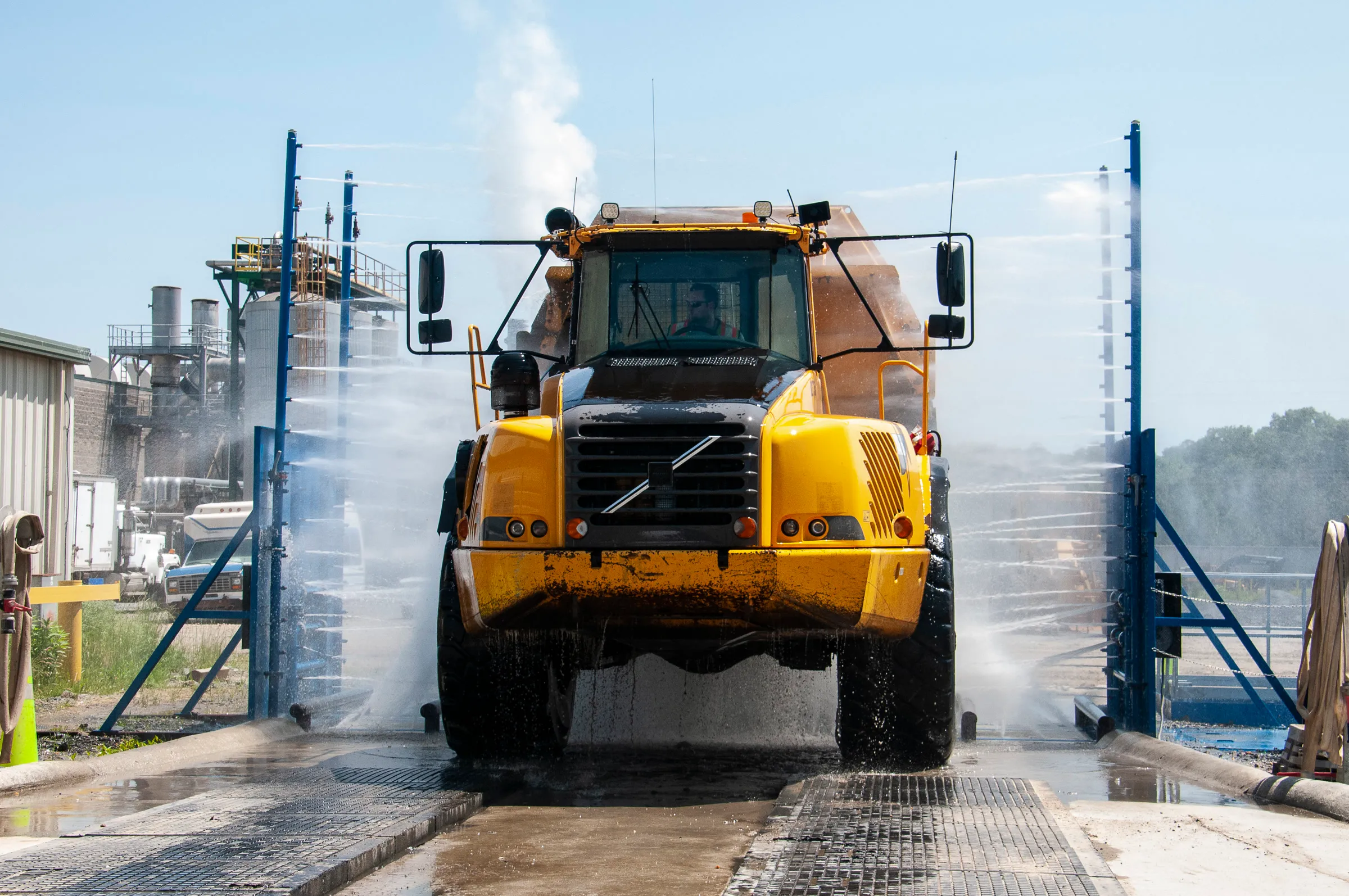
Articulated dump truck driving through a drive-through wash with spray bars on both sides
Mine sites · Quarries · Civil construction · Defence

Vehicle wash systems, engineered for Australian sites

Keeping vehicles and equipment clean across demanding sites takes more than an off-the-shelf wash system. Whether you're managing haul trucks at a mine, a civil construction fleet, quarrying equipment, or vehicles at a Defence facility, your wash system needs to suit your vehicles and site demands.

What We Build

Vehicle wash systems we design and install

At Aqua Energy Group, we work with you to understand those requirements and develop a solution that fits your application. As MobyDick's exclusive Australian partner, we combine proven wash technology with our engineering and project delivery capabilities to design, supply, install and commission vehicle wash systems, with ongoing support beyond installation.

No two sites have quite the same wash requirements. You might need to remove heavy mud from mining equipment, keep road-going vehicles clean before they leave a worksite, or manage the spread of soil and weed seeds between locations. We work with you to understand your needs and identify a wash solution that fits your vehicles, site, and operations.

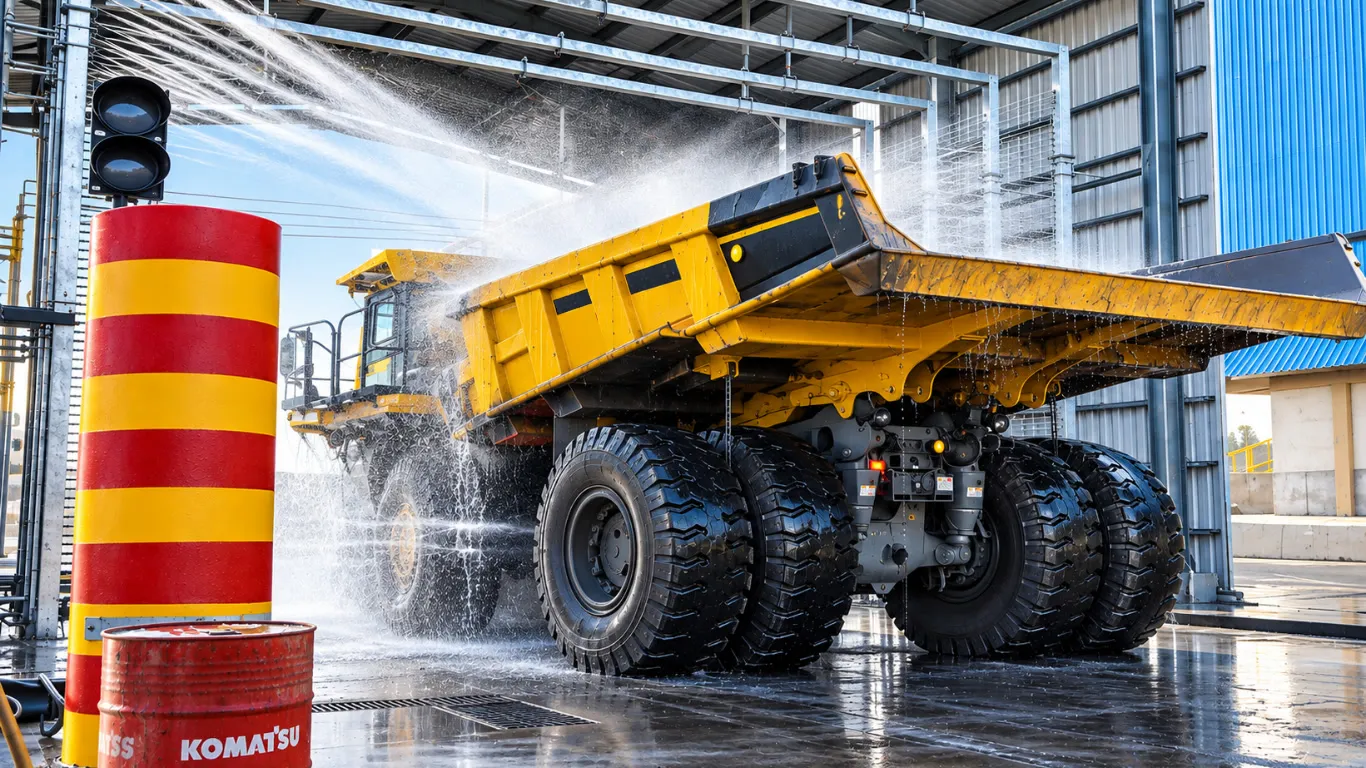
Haul truck being washed under high-pressure spray in a covered truck wash bay

HV truck wash equipment

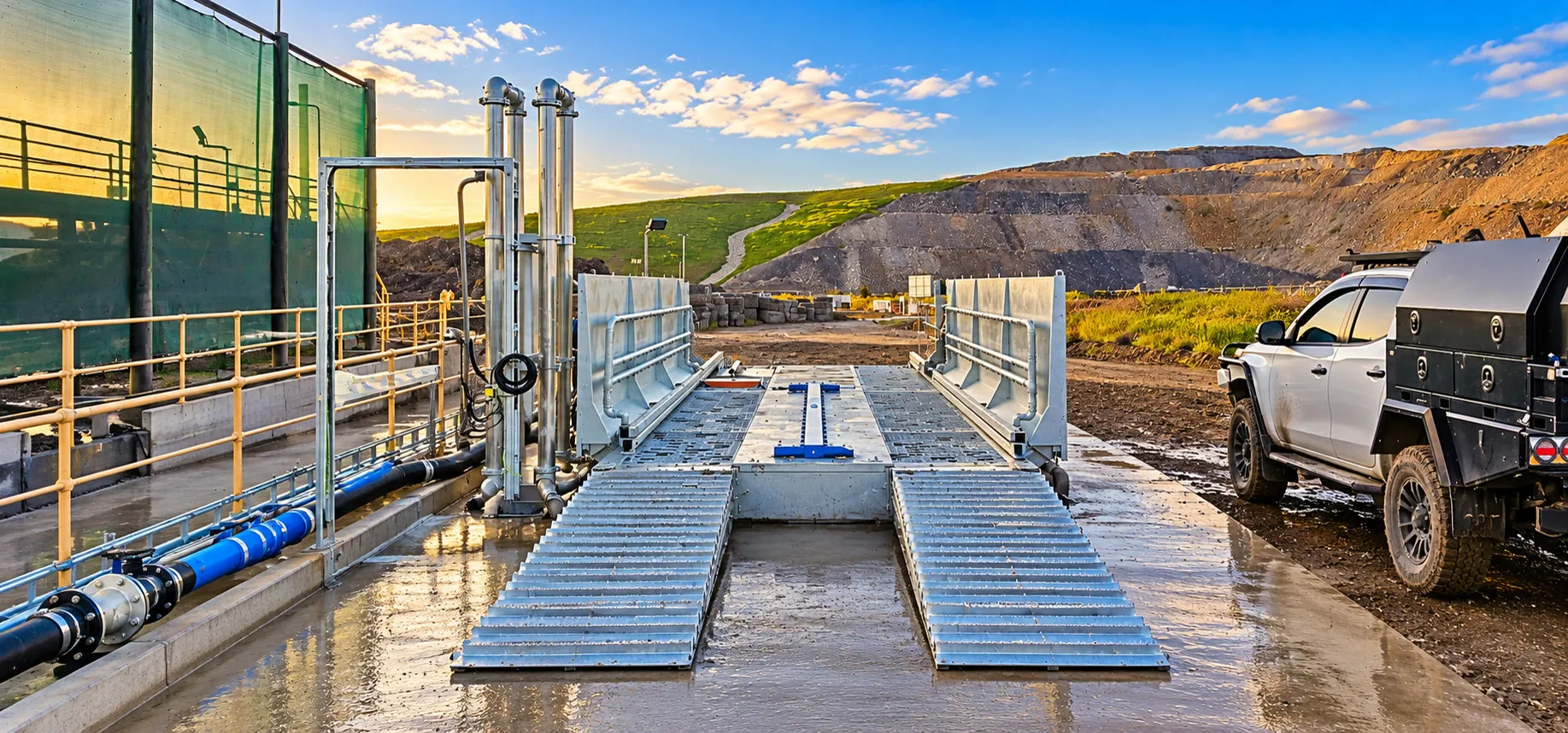
When you're moving large haul trucks, road trucks, or plant vehicles through a busy site, cleaning the whole vehicle can be a major undertaking. Our truck wash equipment range includes solutions designed to remove accumulated mud, dirt and debris from vehicle bodies and other hard-to-reach areas. We'll consider the vehicles you're running, how heavily they're soiled, and how many need washing each day to determine the right approach. Whether you're operating a mine, quarry, or civil construction site, the goal is to clean vehicles without turning washing into an unnecessary interruption to your operation.

HV truck wash equipment
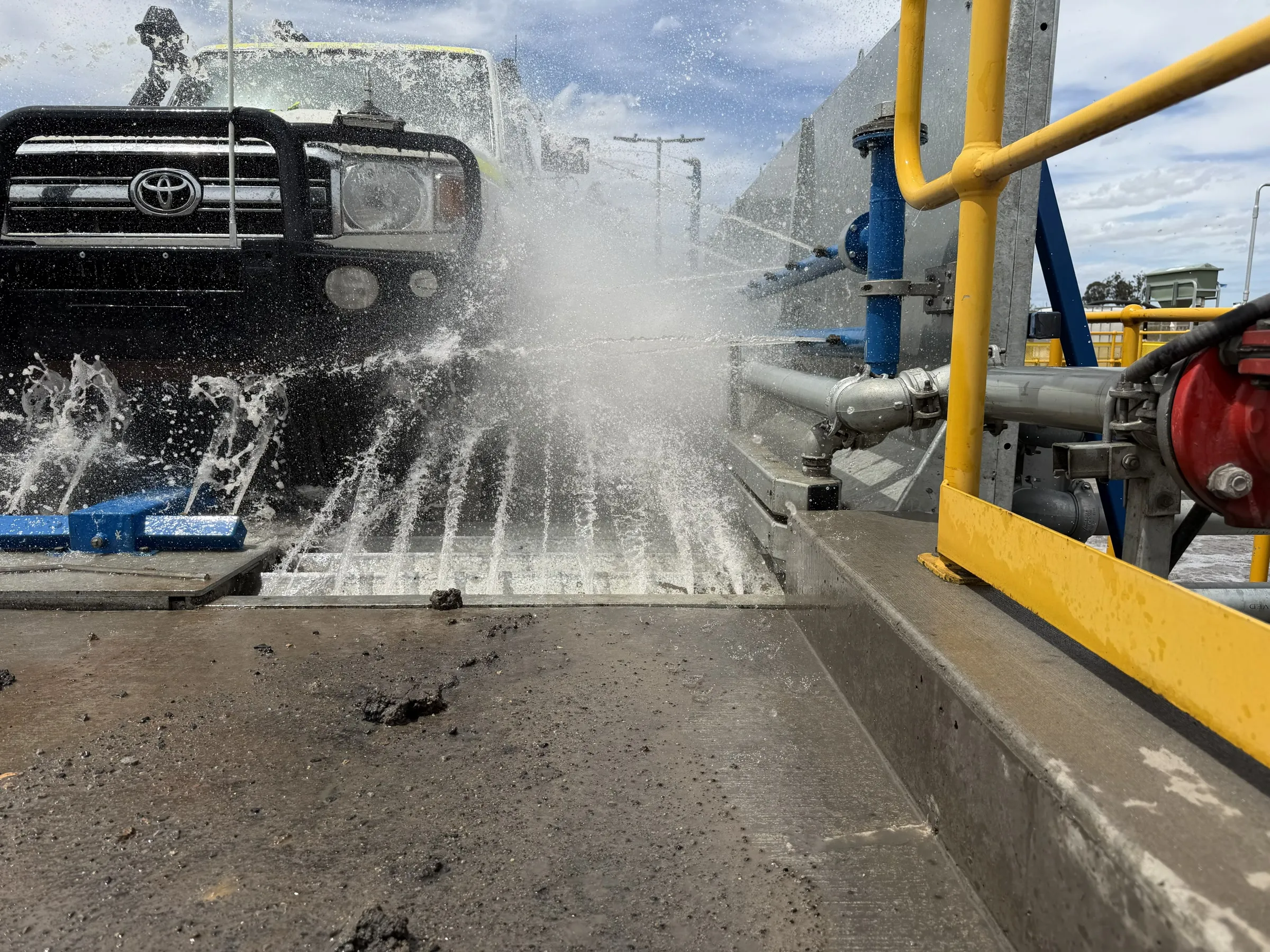
Four-wheel drive passing through a wheel and undercarriage wash, water jets spraying from the floor

LV truck wheel wash and undercarriage wash systems

Wheels, chassis, and underbody components also need special care. Mud and debris can build up around critical components, including sensors and other equipment, potentially interfering with operation and leading to costly repairs if issues go unnoticed. For mining and civil fleets, maintaining these areas helps protect your vehicles and avoid operational disruptions.

Our wheel wash systems and underbody cleaning solutions cover a range of applications, from light vehicles to heavy equipment requiring more intensive demucking. We work with you to understand the vehicles you operate, the materials they pick up, and how heavily they're soiled. Helping you choose a solution that supports equipment care and reliable performance.

LV wheel and undercarriage wash systems
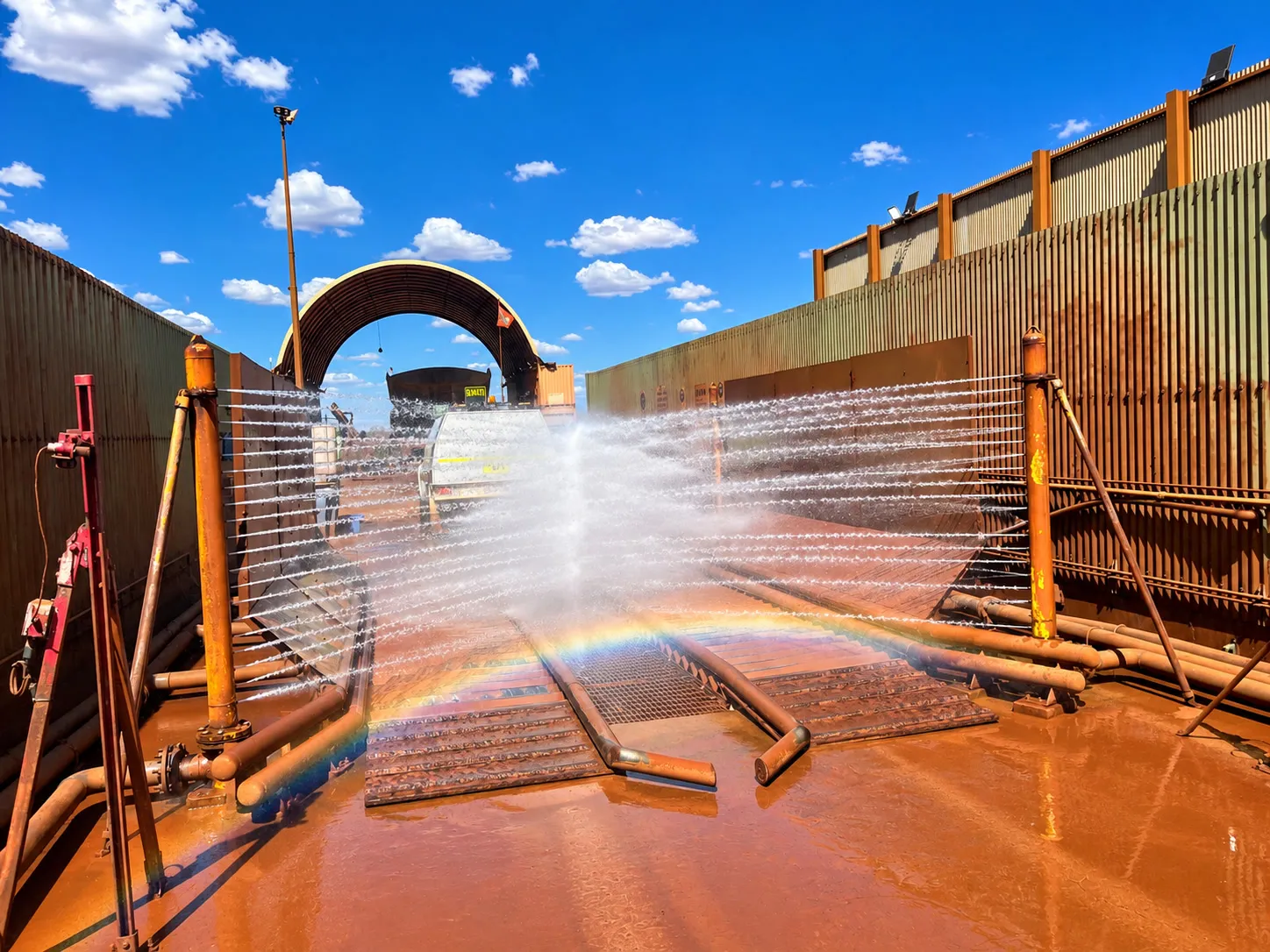
Drive-through wash rack with spray bars firing across a red-dirt mine site wash bay

Wash bay and wash rack

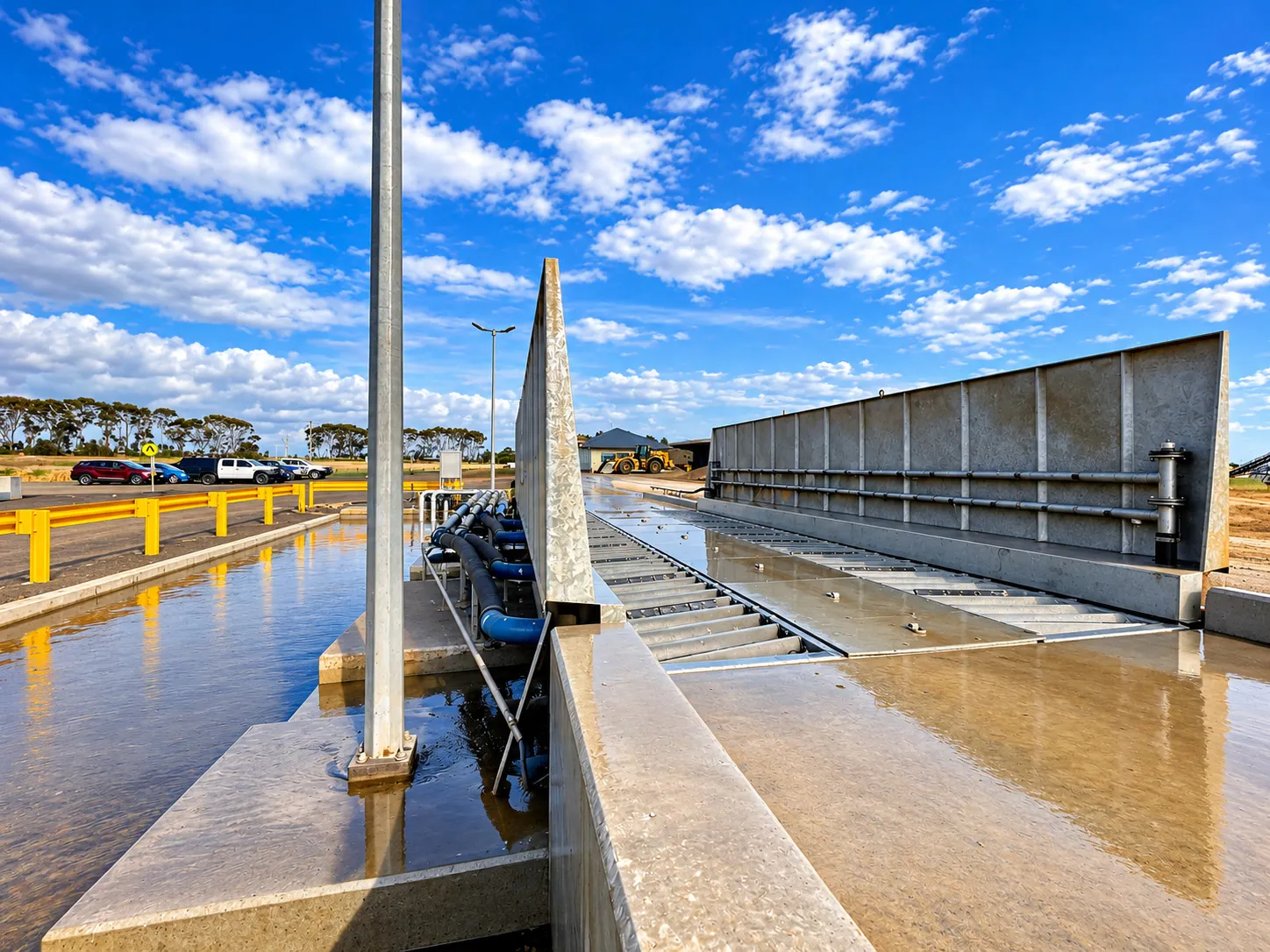
A well-designed wash area needs to work as hard as the equipment it supports. Whether you're setting up a dedicated wash bay or integrating a wash rack into an existing site, the layout must accommodate your vehicles, allow practical movement through the area, and account for how wash water will be collected and managed.

Our wash bay design and construction capabilities bring these requirements together, with supporting infrastructure such as civil works, drainage, and roofing included in the overall solution. We work with you early in the process to understand your site constraints, vehicle requirements, and operational needs, helping ensure the wash area and equipment are designed to work together. The result is a more practical, integrated solution that's built around how your site operates.

Wash bay design and construction
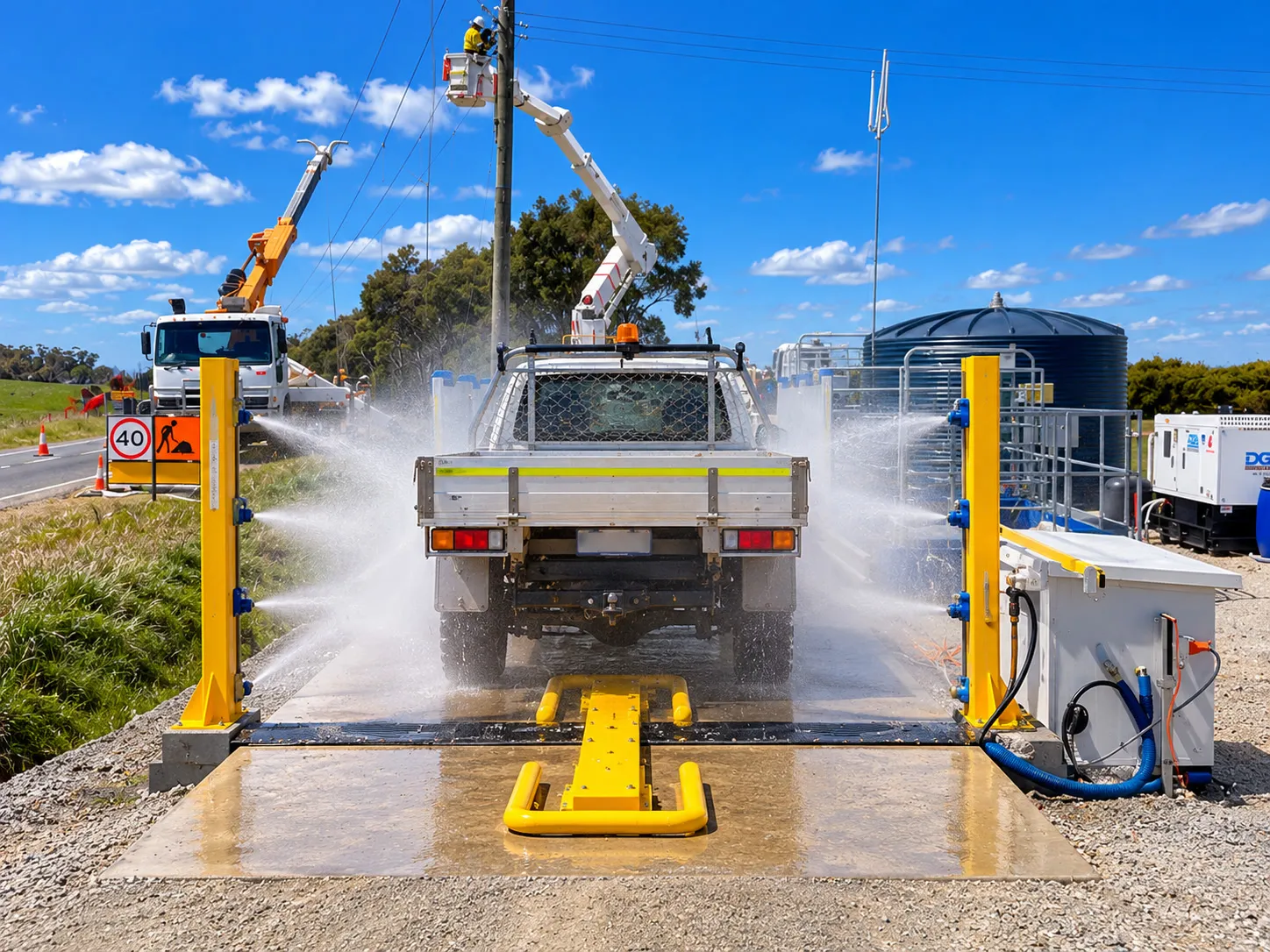
Ute driving through a biosecurity washdown with side spray arches and an undercarriage spray bar

Biosecurity washdown obligations

When vehicles move between properties, work areas, or environmentally sensitive locations, soil and plant material can carry unwanted contaminants. Depending on your site and the risks you're managing, your wash process may need to address weed seeds, soil removal or vehicle disinfection as part of your biosecurity procedures.

Our biosecurity wash systems cover vehicle disinfection, weed & seed management, and soil and debris removal. We'll work with you to understand the vehicles involved, the contamination risks, and your operation's requirements. From there, we can help you explore the appropriate wash technology and supporting water management arrangements.

Biosecurity solutions

Vehicles we wash

Not sure your vehicle suits our wash solutions? From haul trucks and mining plant to road transport, trains, buses, and light vehicles, we work with you to find a solution that suits your vehicles and your site's demands.

Haul trucks & mining plant
Semi-trailers & road trucks
Trailers & tankers
Buses & coaches
Trains & rolling stock
Garbage trucks
Light vehicles & utes
Earthmoving & plant hire

How to size a vehicle wash system

The right wash system needs to do more than fit your vehicles. It needs to keep up with your operation, handle the material coming off your vehicles, and meet your site's water and environmental requirements. A system designed for light vehicles moving through a wash point throughout the day will have very different demands from one handling large haul trucks covered in heavy mud.

Take a quarry, for example. If you're moving up to 150 moderately soiled trucks through a wash point every day, the system needs to handle that traffic without creating an unnecessary bottleneck. Vehicle dimensions, wheel or track configuration, underbody clearance, soiling level, and available wash time all influence the design. Getting these details right from the start helps determine the configuration and capacity your operation needs. At Aqua Energy Group, we work with you to develop a wash system that meets your site's requirements, keeps your operation moving and delivers reliable performance when it matters most.

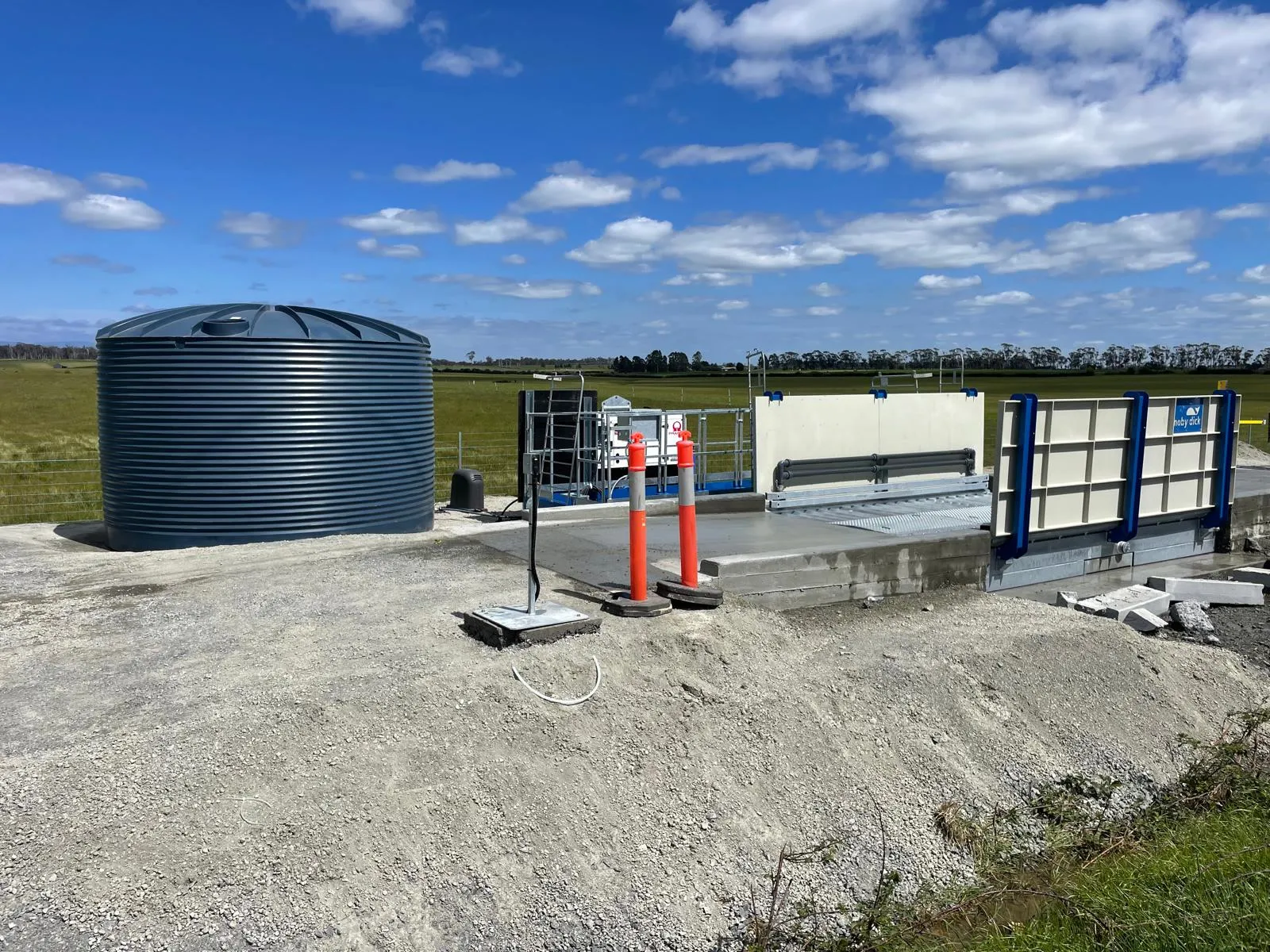
Water use is part of that decision, too. Where water availability is limited, or discharge requirements are strict, recycling and filtration may be important considerations from the outset. At a biosecurity vehicle wash project in Tasmania, two (2) MobyDick 400B systems incorporated water recycling to support a reported 95% water reuse rate. It shows how water recycling can be built into the system from the outset, rather than treated as an afterthought.

Indicative specifications

HV Truck Wash EquipmentLV Wheel Wash & Undercarriage WashWash Bay & Wash Rack
Vehicle classTracked and wheeled vehicles. Standard 2.4 m vehicle width (increased width at extra cost)Wheeled vehicles only, standard 2.4 m vehicle width (increased width at extra cost)Custom to suit site vehicle requirements
Axle load ratingStandard 15 t (up to 50 t; increased at extra cost)Standard 15 t (up to 50 t; increased at extra cost)Custom
Throughput per hour10 moderately soiled vehicles6 moderately soiled vehiclesVaries
Pump flow rate (max)Using Moby ONE 720 model with 9 pumps (max pumping power): 16,200 L/min400B Standard with 2 pumps: 2500 L/minVaries – dependent on manual washing
Recycle rate95% (subject to site conditions, recycle tank size)95% (subject to site conditions, recycle tank size)Subject to site conditions, recycle tank size
Operating pressureMobyPump 20: ~140 kPaMobyPump 20: ~140 kPaDependent on hose reel/cannon/pressure washer specifications.
Hose reel average: 500 kPa
Cannon average: 800 kPa
Pressure washer average: 10,000 kPa

Wash water recycling and treatment

When you wash vehicles regularly, consider where the wash water goes and whether you can reuse it. Solutions like an oil-water separator can remove oil from wash water, but depending on what's coming off your vehicles and your site's requirements, you may need additional treatment or recycling to manage the water before discharging or reusing it.

At Aqua Energy Group, we go beyond supplying the wash system itself, so you don't have to manage water separately. Whether you need to manage wastewater, use available water more efficiently, or explore recycling options, we can help you choose the right water management systems for your site.

95%water reuse on our Tasmania biosecurity vehicle wash, with 2× MobyDick 400B systems and 20 kL recycle tanksView the project

What a vehicle wash system costs and what it returns

There's no standard price, because no two sites are the same. The cost depends on your vehicles, how many you wash, how dirty they get and what your site can support.

We design around how your operation runs. The return is a wash point that keeps vehicles moving, uses water well and lasts.

Tell us about your fleet and we'll take care of the rest.

FAQs

How do I size a vehicle wash system for my fleet?

The right system depends on the vehicles you're washing, how many need to pass through each day, the level of soiling and the time available for washing. Your site's water supply, drainage, and environmental requirements also matter. But don't worry — that's where we come in. We'll work with you to determine a system configuration suited to your operation.

What will my water authority accept as discharge?

Discharge requirements vary by site location, where the water is going, and the conditions set by your local authority. Depending on what's in your wash water, you may need an oil-water separator or additional treatment before you can discharge it. If you're unsure where to start, we can work with you to understand your site's water management requirements and help you consider the options that may suit your application.

Do I need a roof over the wash bay?

Not necessarily — it really depends on your wash system, the vehicles you're cleaning and the conditions at your site. An open wash area may suit some applications, but a covered wash bay may be worth investing in if your operation needs weather protection or containment. Either way, our dedicated team of engineers will work with you to understand your needs and help determine what makes the most sense for your application.

How much water does a wash use, and how much can be recycled?

There's no one-size-fits-all answer. Water use varies with the wash system, the vehicles being cleaned, and how much dirt and debris needs to be removed. Recycling can reduce the amount of fresh water your site needs, but the level of reuse depends on the treatment process and your water-quality requirements. For sites where water is limited or hard to secure, consider recycling early in the design process.

What’s the difference between a wheel and undercarriage wash, a demucking system, and a manual wash bay?

It really comes down to what you're washing and how much material you need to remove. Each wash system has its place, depending on your vehicles and your site's demands.

  • Wheel and undercarriage washes help remove light dirt and debris from wheels and underbody areas as vehicles pass through the system.
  • Demucking systems are suited to remove heavier mud build-up on mining and earthmoving machinery, where a more intensive cleaning process may be needed.
  • Manual wash bays give your team more control over the cleaning process, allowing them to target specific areas with equipment such as hoses and pressure washers.

If you're not sure, we can help you work through the differences and find an option, fully automated or manual, that suits your site requirements.

Can a wash system be relocated between sites?

Our above-ground MobyDick 400MB is designed to make relocation between sites easier. Our in-ground systems, such as the MobyDick 400B, can also be relocated, but you should consider a few factors before moving. Site conditions, the system's condition at the time of relocation, and the work required at the new location will all influence this decision.

Talk To Us

Tell us about your fleet and your site.

Design, supply, install and commissioning delivered as one turnkey package, built to Australian and International Standards. Tell us what you're washing, how many vehicles pass through each day and how heavily they're soiled, and we'll come back with a proposal.

Request a quote

Your details stay with AEG and are never shared.

  1. Tell us about the job

    The site, the application and anything you already have, such as drawings, a protocol or a duty point.

  2. Our engineering team responds

    A member of our engineering team will respond within 24 hours.

  3. Proposal and concept

    A free proposal and concept design, with no obligation.

Prefer to talk? 1800 092 210