WATER MANAGEMENT EXPERTS
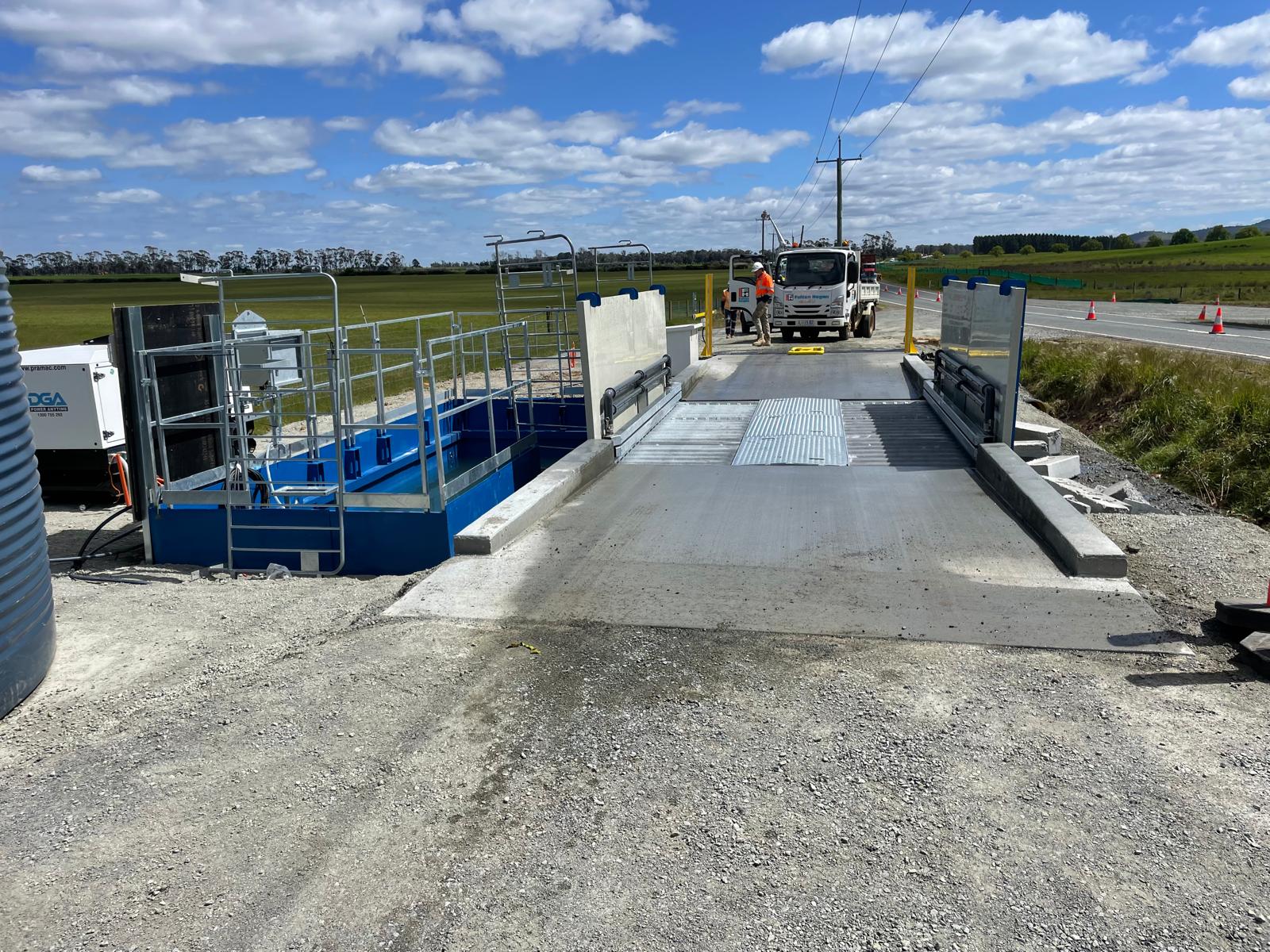
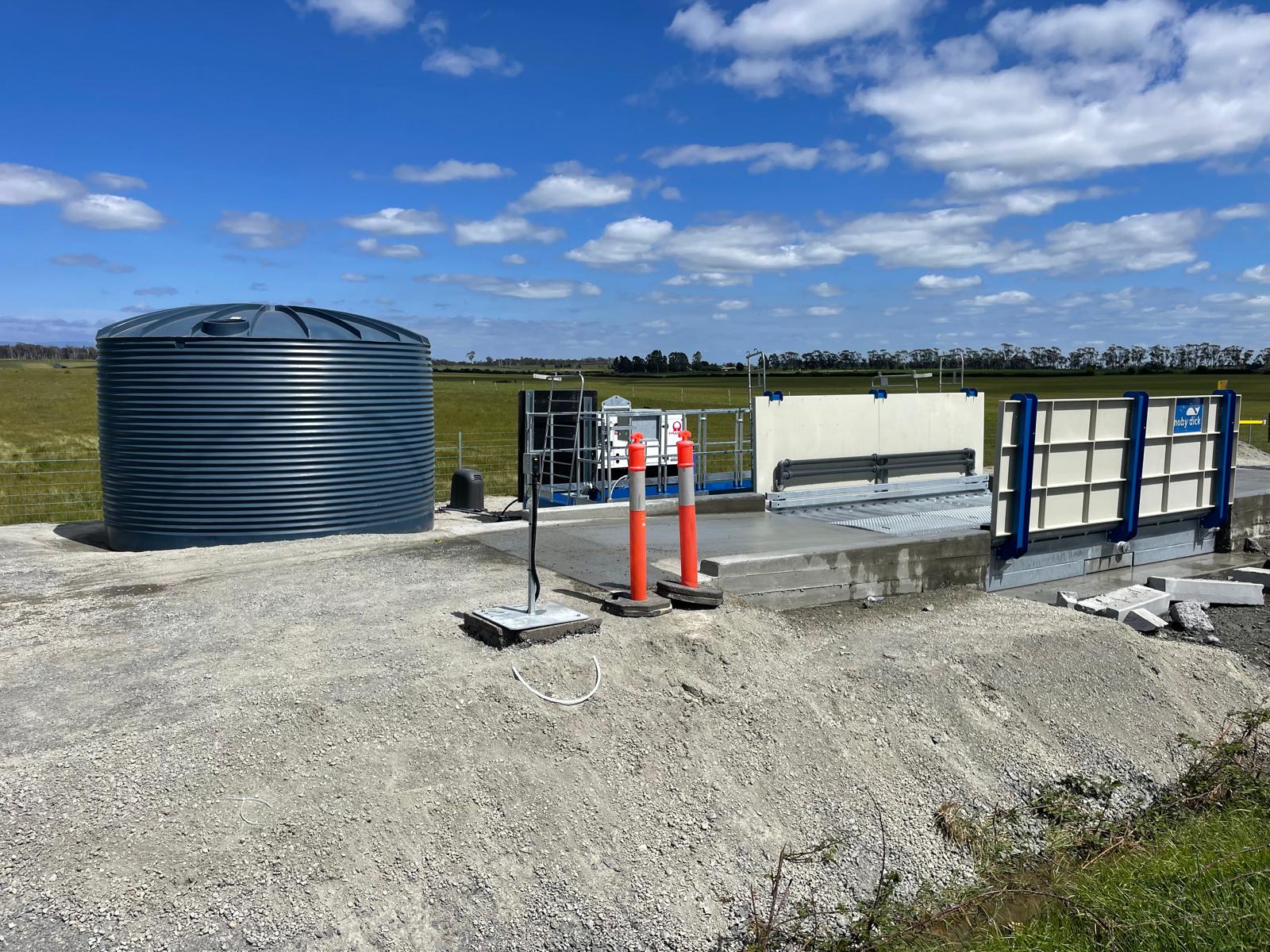
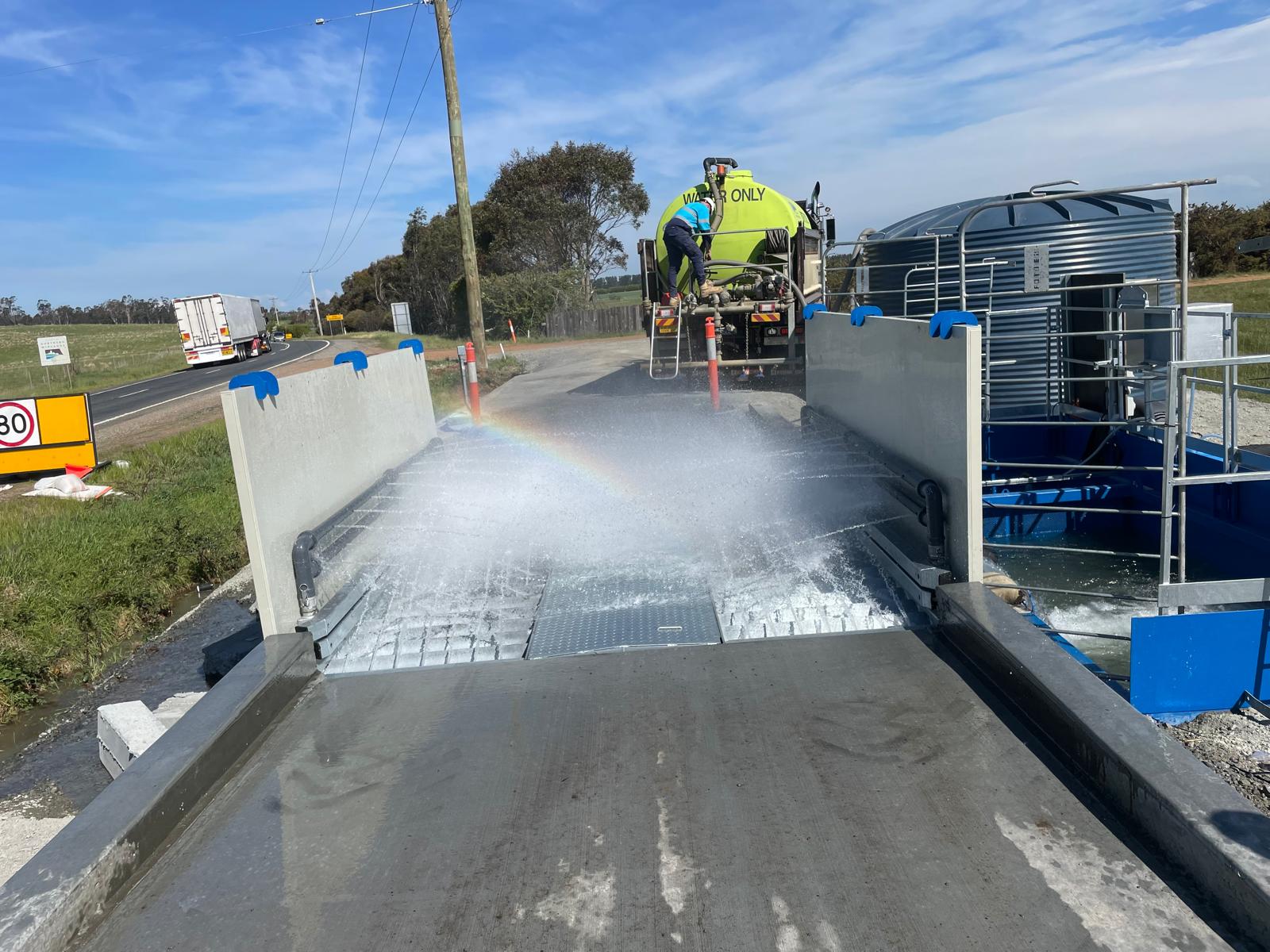
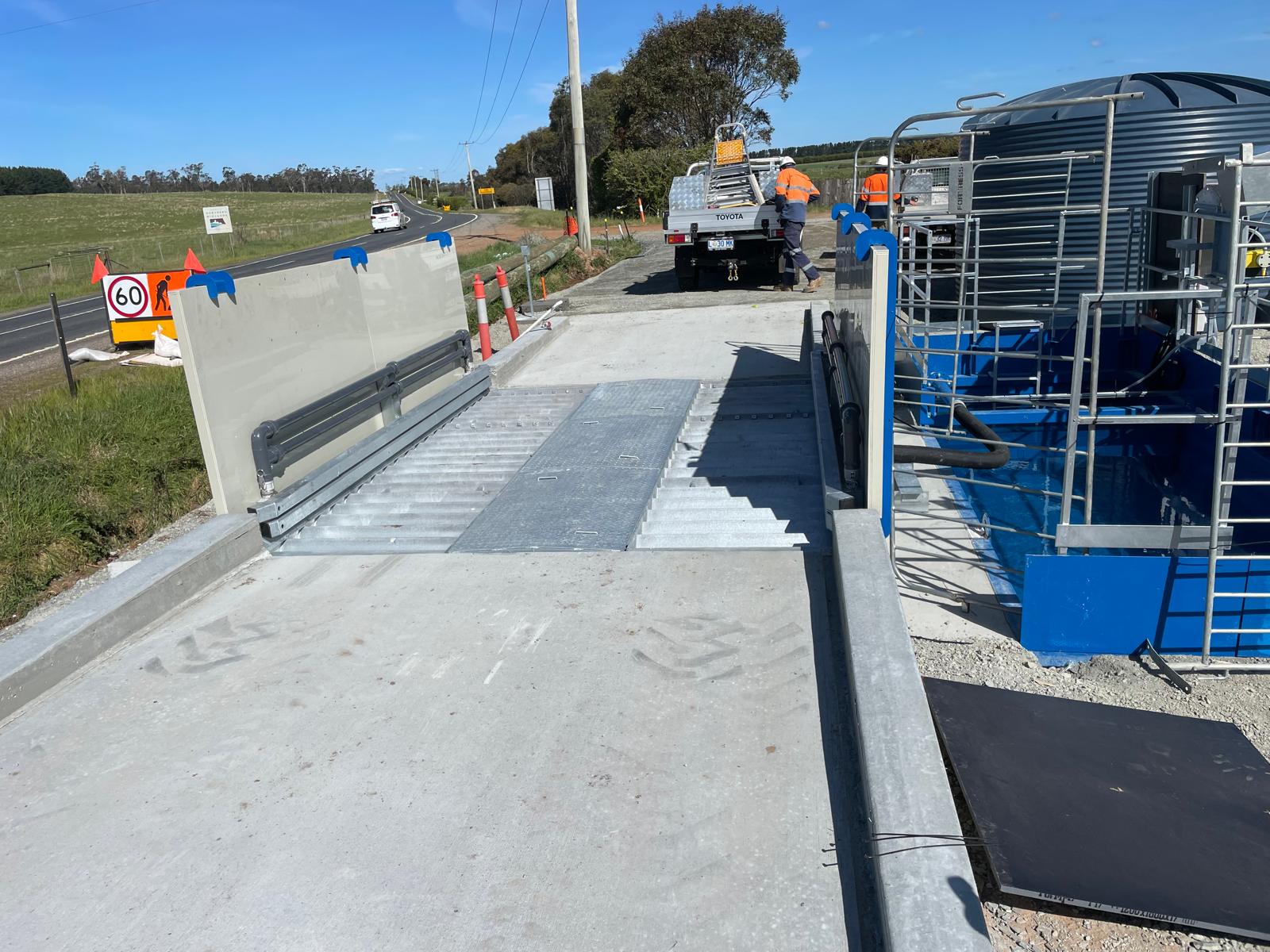
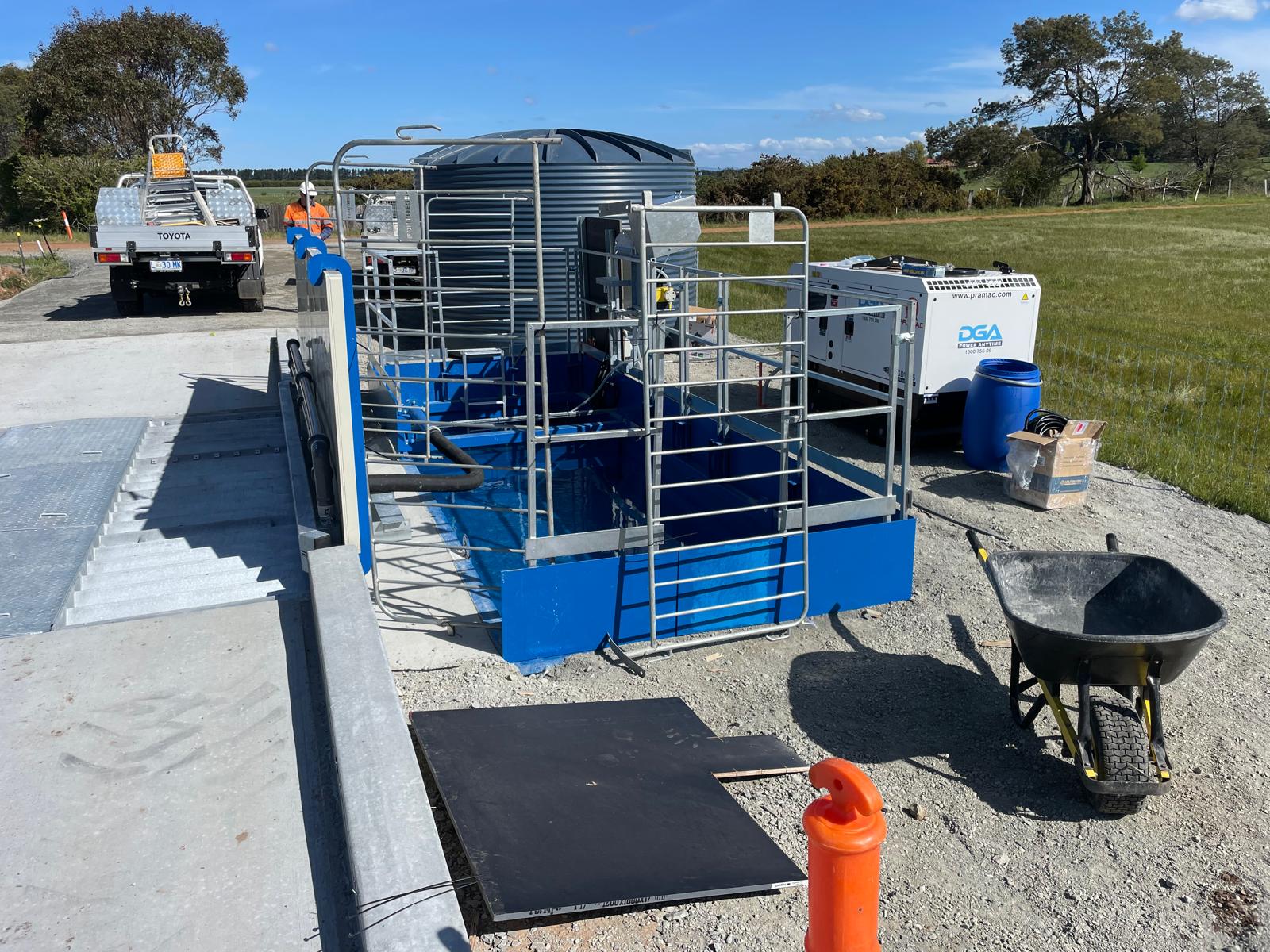
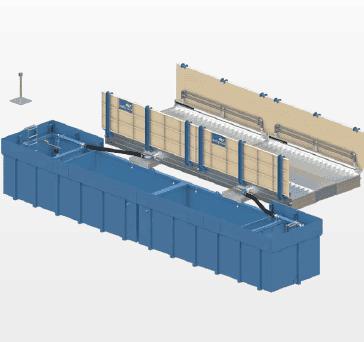
The vehicle wheel washing systems of the ConLine KIT Line and TailorMade Line were developed by our engineers specifically for the needs of the construction and mining industries. The basic unit of the modular concept consists of a robust four-meter-long wash unit and a recycling tank. It can be combined with a scraper conveyor, a mobility package, and multiple options to provide a customized washing solution. All wash bay models can be installed quickly and impress thousands of operators around the world.
See our optional add-ons!
Compatible with most MobyDick systems
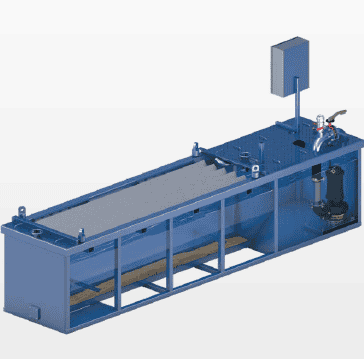
The MobyDick Dragon is a powerful, compact truck wheel wash system consisting of a 3.3-metre-long wash unit with integrated recycling tank. It is available with and without a scraper conveyor and has an excellent price/performance ratio. The ideal solution for stationary or mobile use where truck tyres are not too soiled or the main problem is dust. Wash bay installation takes just a few hours and only requires a small space.
The MobyDick Dragon C Truck Wheel Wash System is a modern way to keep truck tyres clean and reduce dust at construction sites and in industrial areas. It’s designed to be efficient and easy to use, fitting into small spaces without taking up much room. The built-in recycling tank saves water, making it an eco-friendly choice.
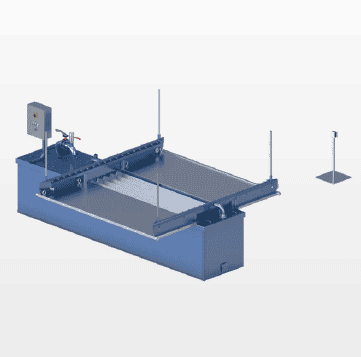
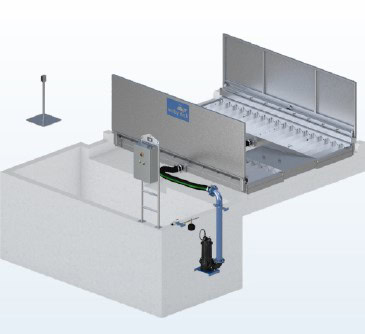
The MobyDick Wash Buddy is a compact tire washing system with a 3.60-meter-long washing unit, optionally with a steel recycling tank or a concrete settling basin (provided by the customer). It offers all the essential MobyDick advantages: a water-bearing, hot-dip galvanized base construction and an efficient spray pattern – all at a very attractive price-performance ratio.
The system is readily available and, with the included documentation, easy to install independently.
Ideal for anyone needing a straightforward and compact tire washing system
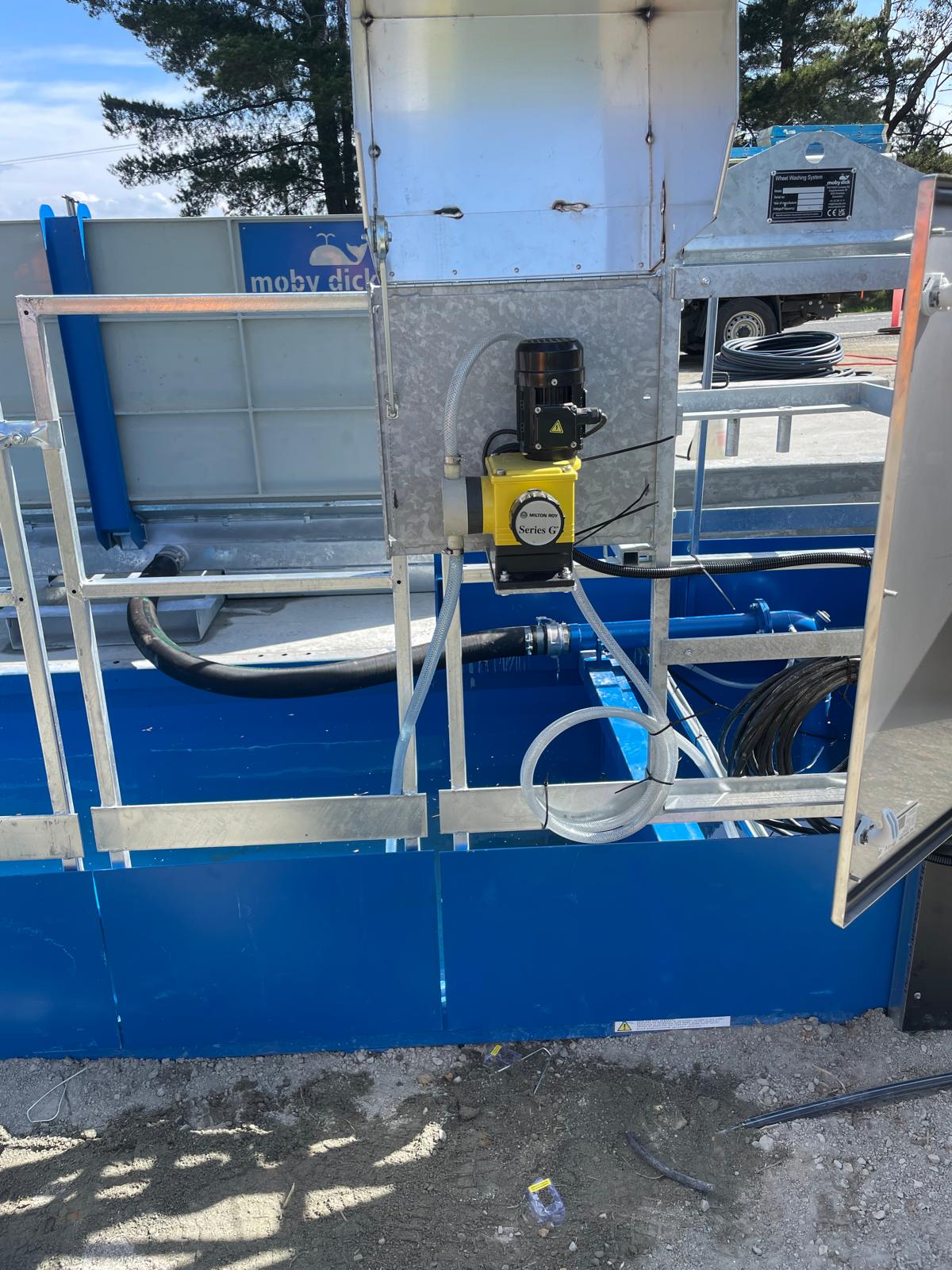
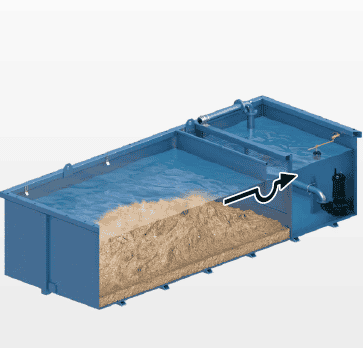
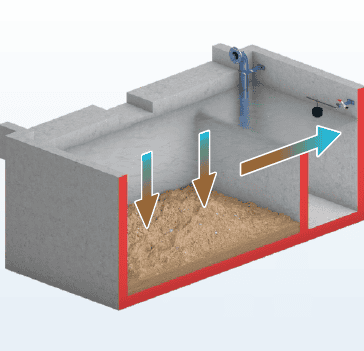
A truck slowly drives into the tire washing system. The vehicle detection sensor automatically triggers the washing process. The specially tuned nozzle system, consisting of a large number of floor and side nozzles, ensures intensive cleaning of all tires and the entire chassis during one wheel rotation. Higher vehicle areas, such as windows and rearview mirrors, are not washed to ensure the driver’s view remains clear. The rolling effect created by the angled profiles, provides additional cleaning of the tire treads. The duration of the washing process can be freely selected according to the respective operating conditions using a timer relay built into the control cabinet. The dirty water flows from the washing unit to the settling tank (on the customer’s side). This is where the washed-off solids settle. The water is directed to the pump chamber. There it is reused by the robust MobyPump submersible pump for further spraying. An excavator or a vacuum truck removes the settled solids from the settling tank.
In all MobyDick tire washing systems, the water is circulated in a closed circuit. Water treatment is carried out by sedimentation in the customer’s concrete settling tank (according to the MobyDick design plan). Sedimentation can be accelerated by adding a flocculant. The solids settled in the settling tank should be removed at regular intervals (depending on the system’s usage) either with an excavator or vacuumed with a vacuum truck.
The drive-through wheel bath is a solution for areas without access to reliable water and electricity. The lack of moving parts means it is relatively maintenance free and only requires removal of sediment build-up.
The force of the trucks driving through the system will create the power to wash the tires. The vehicles drive over a solid steel grate whose cross profiles are below the water surface. As the tires roll off, the treads open and the dirt on the wheels is washed off by the water. The solid parts settle under the grate and must be lifted out at regular intervals. As no moving components are used, the drive-through basin is subject to hardly any wear and tear and no operational disturbances are to be expected. The operation is autonomous and no operating personnel are required. Installation and commissioning are simple and completed within a few hours.